
Achieving a Perfect Smile with Clear Aligners: Before and After Photos from Our East Brunswick Patients
You can't just wait out an infected root canal. Only root canal therapy can solve your problem. Fortunately, you've found a dentistry team that can help: Trinity Dental Services in East Brunswick, NJ. With prompt treatment, you can find relief from your pain and restored oral health.
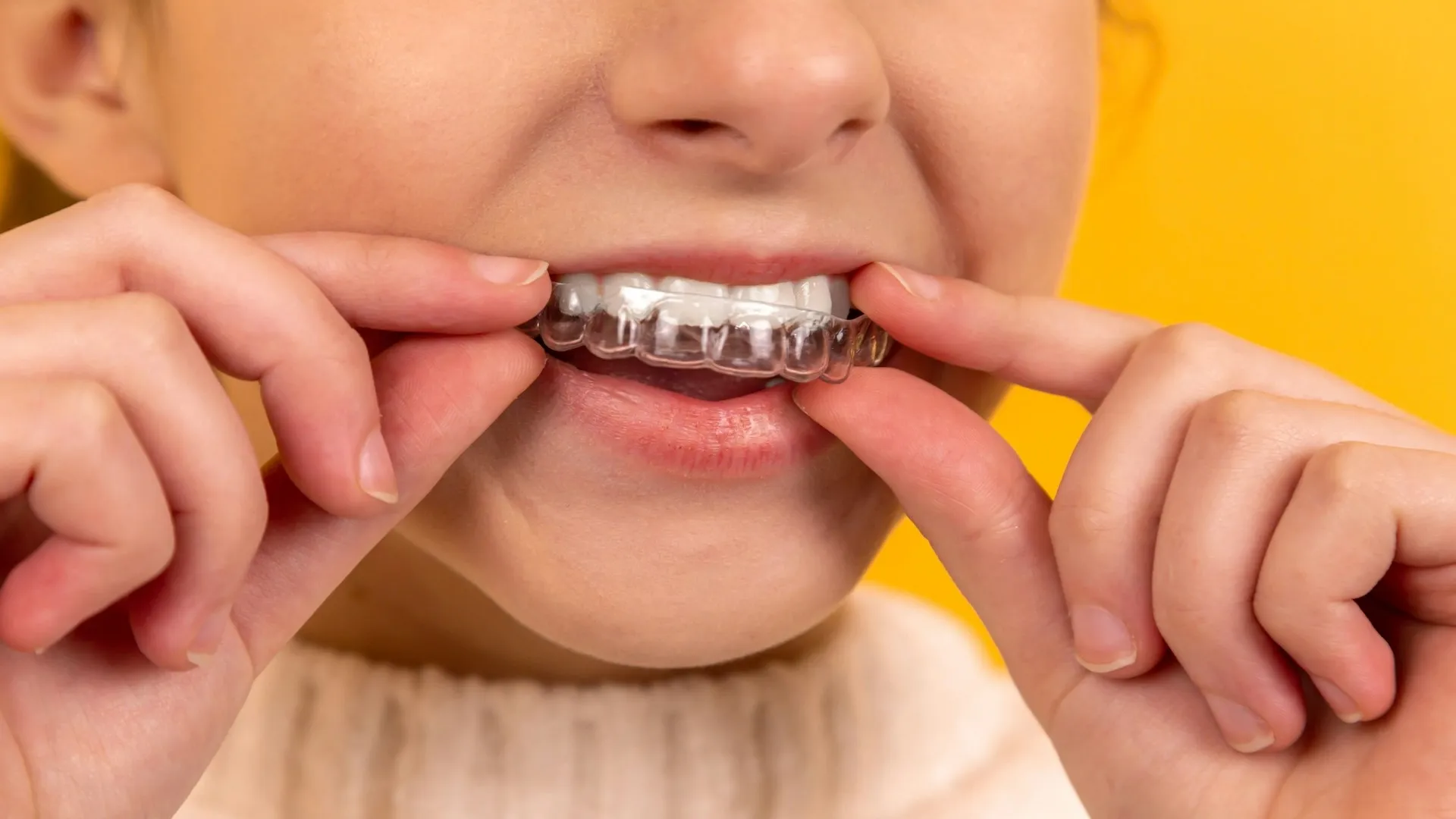
A great before and after photo can feel like proof that change is possible. With clear aligners, those photos often show the kind of progress people notice right away, front teeth that look straighter, gaps that look smaller, and a smile that feels more balanced.
At the same time, photos have limits. They can’t promise you’ll get the exact same result as someone else, because every mouth is different. Tooth shape, bone support, gum health, and how faithfully someone wears aligners all matter. That’s why we treat before and after photos as a guide, not a guarantee.
In our East Brunswick, NJ office, clear aligners are a discreet, removable option for many mild to moderate concerns like crooked teeth, spacing, and some bite problems. When teeth line up better, they’re often easier to brush and floss, which can support long-term oral health.
Next, we’ll explain how clear aligners work, what our patient photo stories tend to have in common, what the timeline looks like, the daily wear habits that help, and a short FAQ at the end.
What our before and after photos really show, and why clear aligners work
When we look at clear aligner before and after photos from our East Brunswick patients, we usually see a pattern. The “before” smile often has crowding that makes teeth overlap, spacing that draws the eye, or a bite that doesn’t meet the way the patient wants. The “after” smile often looks calmer, with teeth sitting in a more even line.
Clear aligners work by using a series of custom trays that gently guide teeth over time. Brands like SureSmile and Invisalign follow the same basic idea, each set of trays is made to nudge teeth a little closer to the planned position. The goal is similar to braces, but aligners do it without brackets and wires.
So what changes show up most clearly in photos?
- Straighter front teeth that look less twisted or crowded
- Closed or reduced gaps, especially between front teeth
- A smoother smile line, where the teeth look more even
- Improved bite “fit” in some cases, where top and bottom teeth meet more comfortably
We also like to talk about the everyday reasons patients choose aligners, because those real-life perks help people stick with treatment. Clear aligners are clear and discreet, they’re removable for meals (so most people don’t deal with food rules), and brushing and flossing is often simpler than cleaning around braces.
There’s also a health angle that photos can’t show. When teeth are crowded, brushing and flossing can be harder, which can raise the risk of cavities and gum problems. A misaligned bite can also strain the jaw for some people. Orthodontic treatment may help reduce these issues, but we never assume, we evaluate each case first.
The kinds of smile concerns we often fix with clear aligners
In our practice, clear aligners often work well for mild to moderate issues, including crowding, crooked teeth, spacing, and certain bite concerns. One example we may see is an open bite, where the front teeth don’t touch the way someone expects when they close down.
Some smiles are more complex and may need other options, or a mix of treatments. We confirm what makes sense during an exam, after we look closely at tooth position, bite, and oral health.
Why “removable and clear” matters in real life
Removable sounds small until you live with it. Patients can take aligners out to eat pizza, salads, or popcorn, then brush normally before putting trays back in. Many people also like that there’s no wire to brush around.
And since the trays are clear, patients often feel less self-conscious in photos, at work, and in everyday conversations.
That flexibility comes with one big responsibility, wear time. For aligners to stay on track, most patients need to wear them about 20 to 22 hours a day.
A look at real East Brunswick clear aligner journeys, from first scan to the final smile
Most clear aligner journeys follow a steady rhythm. The “after” photo people want is the finish line, but the real story is the steps in between, the scan, the trays, the switches, and the check-ins that keep everything moving.
Here’s what treatment often looks like in our East Brunswick office.
First, we start with a consultation. We examine your teeth and gums, talk through what you want to change, and decide whether clear aligners fit your needs. We also look for issues that can block progress, like active tooth decay or gum disease. Candidates for aligners should be in good oral health, because we want a stable foundation before moving teeth.
Next, we take a digital scan to plan and create custom aligners. Patients usually like this part because it’s quick and comfortable, and it helps us design trays that fit well.
Once your aligners are ready, you begin the series. Each set is worn for about 2 to 4 weeks before moving to the next one. That’s where the “burst” of change happens, small shifts adding up.
We also schedule checkups about every 4 to 6 weeks. These visits let us monitor fit, track movement, and catch small problems before they become big delays.
Timing varies, but many mild to moderate cases take about 12 to 18 months. Some patients may finish in as little as 12 months, depending on the plan and how consistently aligners are worn.
After the last set, we protect the result with a retainer. Many offices use nighttime retainers, and Vivera is one well-known option. The goal is simple, keep your teeth from drifting back.
What happens at our clear aligner consultation and digital scan
During your consultation, we focus on the details that affect results, bite, spacing, tooth alignment, and gum health. We also ask what you want your smile to look like, because “straight” can mean different things to different people.
Then we take digital scans to map your teeth. It helps with accuracy, and it avoids the mess of old-school impressions for most patients.
The daily routine that leads to “after” photos patients love
Clear aligners reward consistency. Here’s the simple routine we recommend for many patients:
- Wear aligners 20 to 22 hours each day
- Remove them to eat, then store them in a case
- Rinse trays before putting them back in
- Clean trays daily with mild soap and a soft brush
- Avoid hot water, it can warp trays
- Brush twice a day, floss once a day
When patients treat this routine like brushing their teeth, results tend to stay on schedule.
How to get the best clear aligner results, and avoid the mistakes that slow progress
Most clear aligner delays come from a few common habits. The biggest one is wear time. If trays sit on a bathroom counter for hours, tooth movement can stall, and new trays may feel too tight later. Consistency keeps the plan steady.
We also remind patients to protect their aligners. Pets love chew toys that smell like you, and thin clear trays can crack if they get wrapped in a napkin and tossed. A case sounds boring, but it prevents so many problems.
Drinks are another sneaky issue. Water is usually fine, but sugary drinks with trays in can trap sugar against teeth. That can increase cavity risk, which no one wants during orthodontic treatment.
Checkups matter too. Seeing us every 4 to 6 weeks helps us confirm fit and catch problems early. We keep visits calm and unhurried, and we want patients to tell us if something feels off. Small adjustments can make a big difference in comfort and progress.
Cost planning is part of the conversation as well. Insurance coverage for clear aligners depends on your plan, so we verify benefits before treatment begins. For out-of-pocket costs, we also offer Sunbit financing, so patients can split payments into manageable installments.
Small habits that can make a big difference in your final smile
- Put aligners back in right after meals
- Keep a travel toothbrush and floss handy
- Store trays in a case, not a pocket or napkin
- Don’t sip sugary drinks with trays in
- Clean trays daily, and skip hot water
- Show up for checkups on time
- Wear your retainer at night after treatment ends
Questions to ask us before you start aligners
- What timeline do you expect for my case?
- How many hours a day should I wear aligners?
- How often will I come in for checkups?
- Will I need attachments, and where will they go?
- What bite changes are we aiming for?
- What retainer options do you recommend?
- How does insurance apply, and what financing is available?
Clear aligners FAQ (with answers) for East Brunswick patients
Am I a good candidate for clear aligners?
Clear aligners often work best for mild to moderate crowding, spacing, and certain bite concerns. We confirm candidacy with an exam and a scan, and we also check for active decay or gum disease first.
How many hours a day do I need to wear clear aligners?
Most patients need about 20 to 22 hours per day. Taking them out to eat is fine, but long breaks can slow progress.
What’s the difference between SureSmile and Invisalign?
SureSmile and Invisalign are both trusted clear aligner brands used by dentists and orthodontists. SureSmile is often more affordable, which is one reason we offer it in our East Brunswick office.
How long does clear aligner treatment take?
Some patients may finish in as little as 12 months. Many cases take around 12 to 18 months, depending on the complexity of tooth movement and wear time.
Are clear aligners covered by insurance, and do you offer financing?
Coverage depends on your plan, so we verify benefits before treatment starts. If there are costs insurance doesn’t cover, we offer Sunbit financing to help spread payments out.
What happens after I’m done with aligners?
After treatment, you’ll wear a retainer to help keep teeth from shifting. Many retainers are worn at night, and Vivera is one common option.
Conclusion
Before and after photos can be motivating, because they show real changes in spacing, crowding, and smile balance. Clear aligners make that change possible for many people, with a treatment that’s discreet and removable, plus easier brushing and flossing than braces for many patients. Results still depend on daily wear, good fit, and staying healthy during treatment, and many mild to moderate cases often land in the 12 to 18 month range.
If you’re in East Brunswick or nearby in Central New Jersey, we’re ready to help you find out if aligners fit your goals. We take a patient-centered approach, keep the environment calm, and make time for questions. We can also review payment options with you, including insurance checks and Sunbit financing.
Can Save Your Tooth
An infected root canal isn't something you can just ignore. You will need an endodontic procedure to remove the infection and reseal your root canals.
While a dental crown is often needed to protect the tooth after treatment, if you see us early enough you might only need a filling to protect your tooth. A timely appointment can also prevent your infection from advancing, which can lead to more extensive damage — or even the need for a dental extraction.
Our dentists' goal will always be to protect and preserve your tooth. Let us help, starting with a consultation.

New Brunswick Patients


During Root Canal Treatment?
You don't need to find an East Brunswick endodontist to treat your infected root canal, because Trinity Dental Services proudly offers root canal therapy among our comprehensive dental services.
1. Consultation
First, our dentists will take X-rays of your smile and assess your tooth. They will only plan a procedure if it's truly necesary.
First, our dentists will take X-rays of your smile and assess your tooth. They will only plan a procedure if it's truly necesary.
2. Local Anesthetic
When it comes time for your dental procedure, our dentist will apply local anesthetic to thoroughly numb the treatment site and keep you fully comfortable.
3. Tooth Treatment
Our dentist will make an opening in your enamel. Then, she will clean your tooth roots, removing your infected blood vessels and pulp.
4. Final Touches
Once the bacteria and affected pulp is gone, she will seal your tooth roots. She will also fortify your tooth with a filling or crown.
East Brunswick Office
63 W Prospect St #1
East Brunswick, NJ 08816
Our Office Hours
Mon. 10:00am - 7:00pm
Tue. 10:00am - 7:00pm
Wed. 10:00am - 7:00pm
Thu. 10:00am - 7:00pm
Fri. 10:00am - 7:00pm
Sat. 10:00am - 5:00pm
Sun. Closed