
Addressing Chipped Teeth With Bonding and Veneers (What Works Best?)
You can't just wait out an infected root canal. Only root canal therapy can solve your problem. Fortunately, you've found a dentistry team that can help: Trinity Dental Services in East Brunswick, NJ. With prompt treatment, you can find relief from your pain and restored oral health.
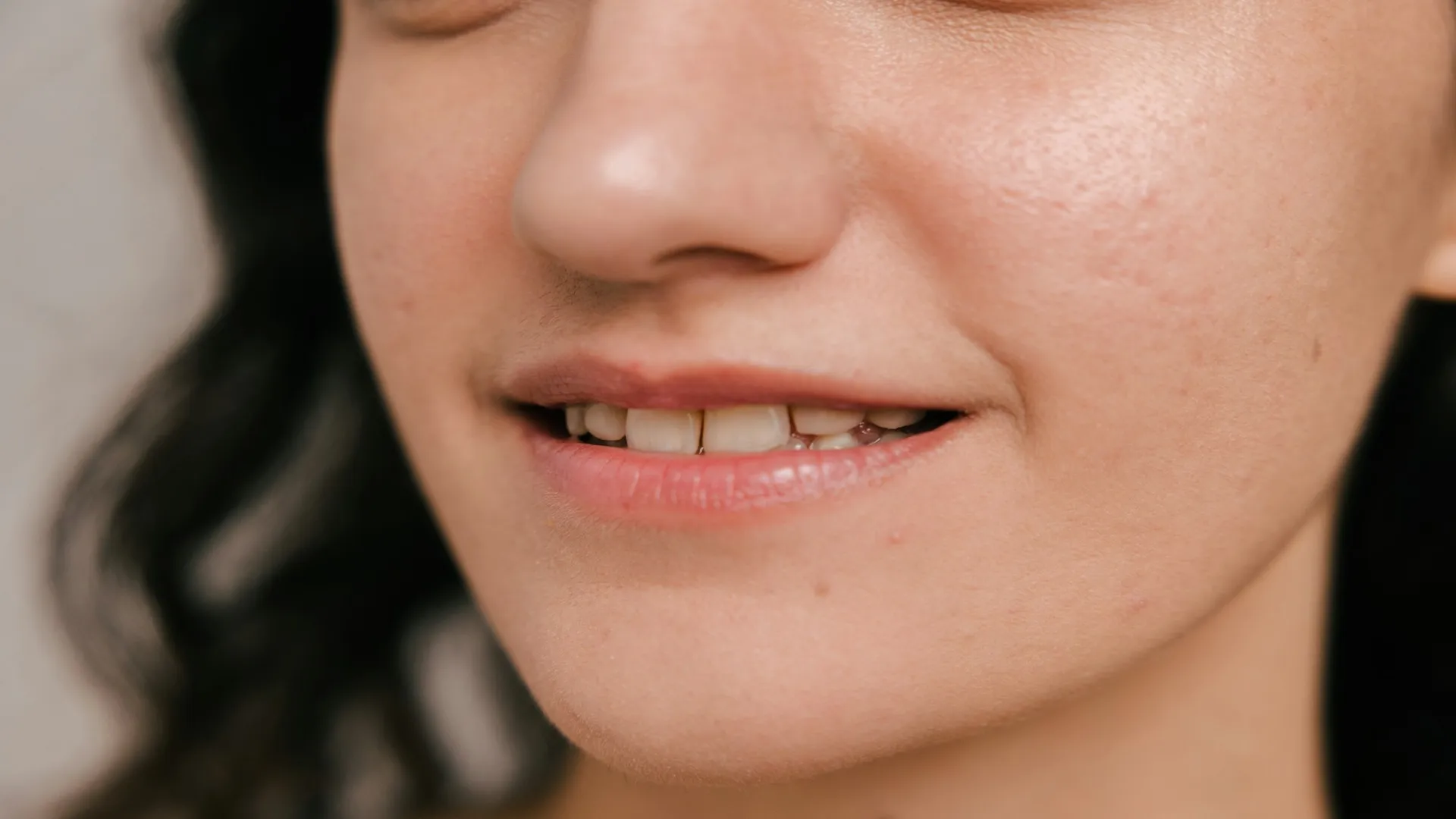
That tiny “tick” you feel when your tooth hits a fork can be the first clue. A chipped tooth is common, and it can happen fast. A slip on the stairs, a hard pretzel, a popcorn kernel, an old filling that finally gives up, or years of grinding at night can all leave a corner missing.
It’s easy to write a chip off as “just cosmetic.” Sometimes it is. But even a small break can create a rough edge that holds plaque, catches floss, and wears faster every time you bite. Think of it like a small pothole in the road. If you keep driving over it, the spot can spread.
This guide compares dental bonding vs porcelain veneers for chipped teeth. You’ll learn how each option looks, how strong it is, how long it takes, what tends to last longer, and what can affect cost. The tone here is simple and calm, like the kind of explanation you’d expect in a family dental office in East Brunswick, NJ.
Chipped tooth basics, when it is urgent, and what your dentist will check
A chipped tooth can be as small as a pinhead nick on the edge, or it can be a deeper break that reaches the inner tooth. The treatment depends on how much tooth is missing, where the chip is, and whether the nerve is irritated.
Some chips can wait a few days. Others need quick care.
Red flags that mean you should call soon
If any of these are happening, don’t “wait and see” for long:
- Pain that lingers or wakes you up
- A sharp edge that’s cutting your tongue or cheek
- Swelling, gum pimple, or a bad taste that keeps coming back
- Bleeding that doesn’t stop
- A large piece missing or a visible hole
- A dark spot inside the chip (can mean deeper damage or decay)
- The tooth feels loose or your bite suddenly feels “off”
Chips can also come with bite problems. If your teeth don’t meet evenly, one tooth may take too much force. Over time, that can lead to repeat chipping, jaw soreness, headaches, or TMJ strain.
What you can do at home (safe, simple steps)
Before you get seen:
- Rinse gently with warm water and spit it out.
- Use a cold pack on the cheek if there’s swelling or soreness.
- Avoid chewing on that side, stick to softer foods.
- If you find the broken piece, save it in a clean container (it can help your dentist evaluate the break).
- Skip DIY “tooth glue” or superglue. It can irritate gums and makes treatment harder.
If the edge is razor sharp, dental wax from a pharmacy can help as a short-term cover. Don’t force it deep under the gums.
What the exam usually includes (and why)
A chipped tooth appointment is part detective work. Your dentist may do:
- A visual exam with magnification and good lighting
- X-rays to check for deeper cracks, nerve problems, or old filling issues
- A bite check to see where the tooth hits first
- Photos or a digital scan to track changes and plan cosmetic work
If grinding is part of the story, a night guard often becomes part of the solution. Fixing the chip without fixing the force is like repainting a door that keeps getting scraped.
Small chip vs cracked tooth, how to tell the difference
A chip is missing tooth structure. A crack is a split that may run through the tooth, even if you can’t see it.
Use this quick checklist:
- Feels rough, looks like a corner is missing: more like a chip
- Hurts when you release your bite (biting down then letting go): more like a crack
- Cold triggers a quick zing that surprises you: could be a crack or deeper chip
- Pain comes and goes and you can’t point to one spot: cracks often act this way
- Nothing visible but it “doesn’t feel right”: cracks can hide, X-rays and testing help
Treatment choices depend on depth, location, and whether it’s a front tooth (more cosmetic) or a back tooth (more chewing force).
Why fixing a chip can help oral health, not just looks
A chipped edge can create a tiny ledge where plaque collects. That makes brushing and flossing less effective and can irritate the gums. Smoothing and restoring the tooth helps you clean normally again, which lowers the risk of decay starting in that weak spot.
Dental bonding for chipped teeth, what it is, best uses, and real pros and cons
Dental bonding is one of the most common fixes for chipped teeth, especially on front teeth. Your dentist uses a tooth-colored resin (a strong plastic material), shapes it to rebuild the missing area, then hardens it with a curing light.
Bonding works best when the chip is small to medium and the tooth is healthy. It’s also a good choice if you want a quick improvement without removing much tooth structure.
What a bonding visit is like
Most bonding appointments follow a steady rhythm:
- Shade match so the resin blends with your tooth
- Light surface prep (often gentle roughening so the resin grips)
- A bonding liquid is applied and set
- Resin is placed in layers, then shaped
- The material is cured with a light
- Final shaping and polishing so it feels smooth and looks natural
Many patients don’t need numbing for small chips, since the work is usually on the enamel. If the chip is deeper or sensitive, numbing is available.
Why people choose bonding
Bonding is popular for good reasons:
- Usually one visit
- Lower cost than porcelain options in many cases
- Conservative, minimal tooth removal
- Easy to repair later if it chips again
- Great for small shape tweaks and edge repairs
It can also be a smart “starter” treatment. If you’re unsure about a bigger cosmetic plan, bonding can buy time while still improving the look and feel of the tooth.
The limits you should know upfront
Bonding isn’t porcelain. It’s strong, but it’s not as hard as ceramic.
Common downsides:
- It can stain over time, especially with coffee, tea, red wine, or tobacco
- It may chip if you bite hard items (or if you grind)
- It can lose some shine years later and need polishing
- It may need touch-ups, since the edge takes wear
In plain terms, bonding often lasts several years, but it varies a lot. Your bite, habits, and where the chip sits matter more than any “average.”
How long bonding lasts and what can shorten its life
Bonding tends to last longer when it’s not taking heavy force.
Things that shorten its life:
- Nail biting
- Chewing ice or hard candy
- Using teeth to open packages
- Night grinding or clenching
- Frequent dark drinks that stain resin
If you grind, a night guard can protect both the bonding and the natural tooth. Regular checkups help too, because small rough spots can be smoothed before they turn into bigger chips.
Bonding aftercare tips that keep it looking natural
- Avoid very hard foods at first if your dentist recommends it.
- Brush and floss like normal, focus on the gumline.
- Limit coffee, tea, red wine, and tobacco to reduce staining.
- Call if the edge feels rough, a quick polish can help.
- Keep up with cleanings so the surface stays smooth and bright.
Porcelain veneers for chipped teeth, what they fix, what the process is like, and tradeoffs
A porcelain veneer is a thin ceramic cover bonded to the front of a tooth. It’s designed to copy the look of enamel, including that natural shine that doesn’t look “flat” in photos.
Veneers can be a strong option for larger chips on front teeth, repeated bonding failures, or when you want a more uniform look across several teeth (shape, length, and color).
What veneers are best for
Veneers often make sense when:
- The chip is larger or on a visible front edge
- Bonding keeps failing because of bite pressure
- Several front teeth need a matched look
- You want to improve color and shape at the same time
- You’re looking for longer-lasting stain resistance
Porcelain is smoother and more stain-resistant than resin. That’s why veneers can keep their appearance for many years with good care.
What the veneer process is like (step by step)
Most veneer cases follow this path:
- Consult and planning: discuss goals, check the bite, confirm the tooth is healthy
- Shade selection: match to your natural teeth, or plan a brighter smile
- Small enamel shaping: creates space so the veneer doesn’t look bulky
- Impressions or digital scan: used to create the custom veneer
- Temporary veneer (sometimes): protects the tooth while the final is made
- Final bonding: the veneer is cemented, then your bite is checked and adjusted
After placement, your dentist will make sure the veneer feels natural when you speak and chew. That bite check is a big deal for chip repair.
The upsides of veneers
- Very natural look, enamel-like shine
- Strong edge support for many front-tooth chips
- Better stain resistance than bonding for many patients
- Often lasts many years with good home care and regular dental visits
The tradeoffs to consider
Veneers are not the “easy button” for every chip.
- They usually cost more than bonding.
- They take more time (often two visits).
- Some enamel is typically removed.
- In many cases, the choice is not reversible, since the tooth has been altered.
Longevity varies, but veneers often last many years when the bite is stable and habits are controlled.
Do veneers require drilling, what to expect in a conservative approach
Most veneers need some enamel reshaping. The goal is to remove as little as possible while still making room for porcelain. That helps the veneer look natural, not thick.
Comfort matters. Numbing can be used during prep, and many offices focus on small touches that make the visit easier (calm pacing, clear explanations, and comfort options like music or TV).
Veneer care that helps prevent chips and cracks
Veneers protect the front surface, but they don’t make you “chip-proof.”
Good habits include:
- Wear a night guard if you grind or clench.
- Don’t bite ice, pens, or fingernails.
- Cut hard foods (like crusty bread) instead of tearing with front teeth.
- Keep up with cleanings, the gumline still needs daily brushing and flossing.
Bonding vs veneers for chipped teeth, which works better for your smile
Bonding and veneers can both repair chipped teeth, but they serve different goals. Bonding is quick and conservative. Veneers are a bigger commitment, with a more durable cosmetic finish for many patients.
Here’s a clear side-by-side view.
FeatureDental BondingPorcelain VeneersCostOften lowerOften higherStrengthGood, but can chipStronger ceramic surface for many casesStain resistanceCan stain over timeResists stains betterTimeOften 1 visitOften 2 visitsTooth removalMinimal or noneUsually some enamel reshapingReversibilityMore flexibleOften not reversibleBest forSmall to medium chips, quick fixesLarger chips, repeat chips, multi-tooth cosmetic goals
What usually decides it: chip size, tooth location, bite force, grinding, and how perfect you want the final look to be.
If a chip is too deep, or the tooth has a large old filling, neither bonding nor a veneer may be the best long-term fix. A crown, onlay, or a different restorative plan may protect the tooth better.
Best choice by chip size and location (front tooth edge vs back tooth chewing surface)
Rule of thumb:
- Small front-edge chip: bonding is often a great first choice.
- Bigger front-tooth chip (or bonding keeps breaking): veneer may hold up better and look more uniform.
- Back tooth chewing surface: the bite load is higher, so stronger restorations (like onlays or crowns) may be safer than bonding in many cases.
Your dentist should check how your teeth meet. If one tooth takes the hit first, even a perfect repair can fail early.
Questions to ask at your cosmetic dentistry consult
- How deep is the chip, and is the nerve at risk?
- For my bite, how long should bonding or a veneer last?
- Do I need a night guard because I grind or clench?
- Will the repair match my tooth color today and in photos?
- What happens if it chips again, and how is it repaired?
- How many visits will I need, and how long is each visit?
- Do you need new X-rays or a scan before starting?
- What will my insurance help with, and what financing options are available?
Conclusion
A chipped tooth can be small, or it can be the start of a bigger problem. Either way, the fix should match your bite and the depth of the damage. Bonding is often the quick, budget-friendly choice for small chips and minor shape changes. Porcelain veneers can be a stronger, longer-term cosmetic repair for larger chips or teeth that keep re-chipping.
The smartest next step is an exam. Your dentist can check for cracks, old filling issues, and grinding, then walk you through options that fit your goals.
If you’re in East Brunswick, NJ, Trinity Dental Services offers family-friendly care with clear explanations and a calm office experience. The team can also review insurance and financing options before treatment, so you know what to expect before you decide.
Can Save Your Tooth
An infected root canal isn't something you can just ignore. You will need an endodontic procedure to remove the infection and reseal your root canals.
While a dental crown is often needed to protect the tooth after treatment, if you see us early enough you might only need a filling to protect your tooth. A timely appointment can also prevent your infection from advancing, which can lead to more extensive damage — or even the need for a dental extraction.
Our dentists' goal will always be to protect and preserve your tooth. Let us help, starting with a consultation.

New Brunswick Patients


During Root Canal Treatment?
You don't need to find an East Brunswick endodontist to treat your infected root canal, because Trinity Dental Services proudly offers root canal therapy among our comprehensive dental services.
1. Consultation
First, our dentists will take X-rays of your smile and assess your tooth. They will only plan a procedure if it's truly necesary.
First, our dentists will take X-rays of your smile and assess your tooth. They will only plan a procedure if it's truly necesary.
2. Local Anesthetic
When it comes time for your dental procedure, our dentist will apply local anesthetic to thoroughly numb the treatment site and keep you fully comfortable.
3. Tooth Treatment
Our dentist will make an opening in your enamel. Then, she will clean your tooth roots, removing your infected blood vessels and pulp.
4. Final Touches
Once the bacteria and affected pulp is gone, she will seal your tooth roots. She will also fortify your tooth with a filling or crown.
East Brunswick Office
63 W Prospect St #1
East Brunswick, NJ 08816
Our Office Hours
Mon. 10:00am - 7:00pm
Tue. 10:00am - 7:00pm
Wed. 10:00am - 7:00pm
Thu. 10:00am - 7:00pm
Fri. 10:00am - 7:00pm
Sat. 10:00am - 5:00pm
Sun. Closed