
Clear Aligners for Teens in East Brunswick: Why Families Choose Them
You can't just wait out an infected root canal. Only root canal therapy can solve your problem. Fortunately, you've found a dentistry team that can help: Trinity Dental Services in East Brunswick, NJ. With prompt treatment, you can find relief from your pain and restored oral health.
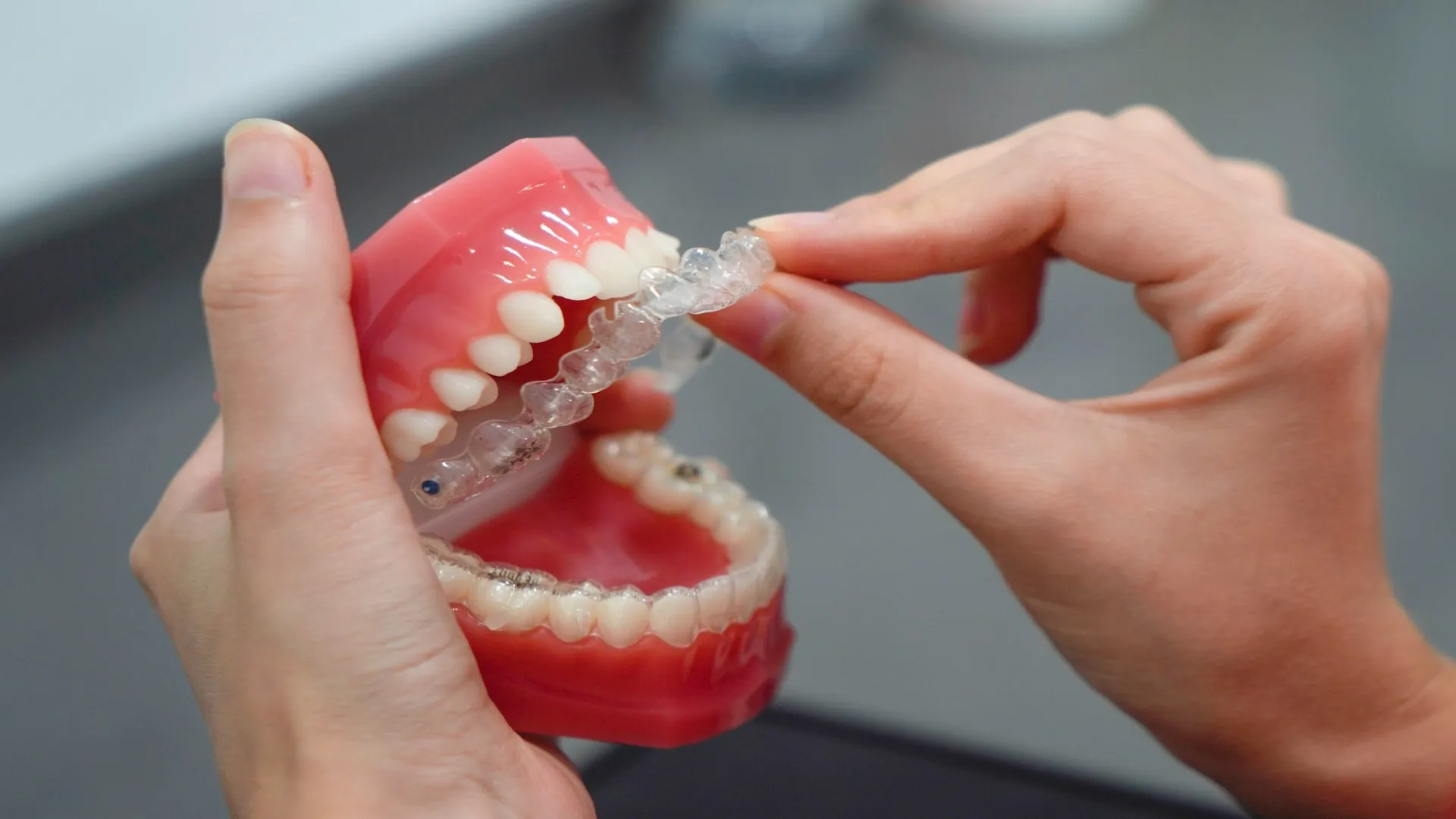
If your teen wants straighter teeth but dreads the idea of a mouth full of metal, you’re not alone. Many East Brunswick parents hear the same concerns: “Will everyone see my braces?” “Will it hurt?” “What about sports, band, or yearbook photos?”
That’s where clear aligners for teens come in. Options like SureSmile and Invisalign use clear, smooth trays that fit over the teeth and gently move them over time. They’ve become a popular braces alternative in East Brunswick because they’re hard to notice, easy to remove, and often easier to manage with busy school and activity schedules.
This guide breaks down what families want to know before starting: how clear aligners work, who they’re best for, what the step-by-step process looks like at a teen-friendly dental office, and simple habits that help teens finish on time.
Why more teens in East Brunswick choose clear aligners instead of braces
Teen life is already full. Between school days, sports practices, clubs, part-time jobs, and social events, anything that feels high-maintenance tends to fall apart fast. Clear aligners fit better into that reality for many families because they’re designed to be worn most of the day, then removed for the moments that matter (meals, brushing, a big event).
Here’s a quick way to compare the day-to-day experience:
FeatureClear alignersTraditional bracesVisibilityClear trays, less noticeableBrackets and wires showEatingRemove trays, fewer food limitsFood rules are commonBrushing and flossingNo wires to work aroundCleaning takes more effortComfortSmooth trays, pressure can happenBrackets can rub, wires can pokeResponsibilityTeen must wear them 20 to 22 hoursBraces stay on regardless
Clear aligners aren’t “better” for every case, but they can be a strong match for teens who want flexibility and care about appearance.
Nearly invisible for school, photos, and social life
Middle school and high school can feel like a stage. A teen might not care about braces at all, or they might feel like it’s the only thing people see. Clear aligners are transparent, so they tend to blend in.
For many teens, that matters most in moments like:
- Class presentations
- School dances and parties
- Team photos and yearbook pictures
- Family events where everyone’s taking close-up shots
A nice bonus is how often other people simply don’t notice the trays. Teens can talk, smile, and laugh without the same “brace face” worry.
Removable for pizza, popcorn, and easy brushing
Braces can come with a long list of “don’t eat that.” Sticky candy, popcorn, hard chips, gum, and chewy foods can break brackets or bend wires. Aligners change that routine.
With clear aligners, teens remove the trays before eating. That usually means fewer food rules, as long as they’re consistent about putting the trays back in.
Removable trays also make hygiene simpler. There are no brackets and wires to clean around, so brushing and flossing can feel more like a normal routine.
A few habits make a big difference:
Use a case: Trays left on a lunch tray or wrapped in a napkin can disappear fast.
Rinse before putting them back: A quick rinse helps keep things fresh and comfortable.
Brush after meals when possible: It helps prevent trapped food and bad breath.
The flexibility is real, but it comes with one big trade-off: the aligners only work when they’re worn.
Is your teen a good candidate for clear aligners?
A clear aligner consult is not just about what your teen wants, it’s about what will work. Aligners are often a good fit for teens with mild to moderate orthodontic needs, especially if they can follow a daily routine without constant reminders.
Clear aligners can also support oral health goals. When teeth are crowded or crooked, brushing and flossing can be harder, which can raise the risk of cavities and gum problems. Straightening teeth can make daily cleaning more effective.
Still, some cases need the control that braces provide. That’s why an in-person exam matters.
Common bite and spacing issues aligners can fix
Clear aligners are often used for mild to moderate concerns like these:
Crooked teeth: Teeth that tilt or overlap instead of lining up evenly.
Gapped teeth: Spaces between teeth that a teen may notice when smiling.
Overcrowding: Not enough room, so teeth bunch together or rotate.
Overbite: Upper teeth sit too far in front of the lower teeth.
Underbite: Lower teeth sit in front of the upper teeth.
Crossbite: Some top teeth bite inside the bottom teeth instead of outside.
Open bite: Front teeth don’t touch when biting down, leaving a gap.
These descriptions are general. Every teen’s bite is different, and the only way to know if aligners are appropriate is an exam and treatment plan based on their teeth and jaw.
The three must-haves: healthy teeth, strong habits, and 20 to 22 hours a day wear time
Aligners work best when a teen checks three boxes:
Healthy teeth and gums: Active cavities or gum disease can delay treatment. Many offices want oral health stable first.
Strong daily habits: Teens need to keep track of trays at school, at practice, and at friends’ houses.
Consistent wear time: Most plans require aligners to be worn 20 to 22 hours a day, removing them only for meals and drinks other than water.
Parents can help without turning it into a daily argument. A few simple supports go a long way:
Set a routine: Aligners out at meals, back in right after brushing. Same pattern every day.
Use reminders: Phone alarms or a note in the lunch bag can help at first.
Plan for sports: Keep the case in the sports bag so trays aren’t stuffed into a pocket.
Have a “lost tray” plan: If a tray goes missing, call the dental office right away for guidance.
The best results usually come from a calm routine, not constant nagging.
What the clear aligner process looks like at a teen-friendly East Brunswick dental office
Families often feel better once they know what will actually happen and when. Clear aligner treatment is structured, predictable, and broken into steps.
At Trinity Dental Services in East Brunswick, clear aligner treatment commonly follows a path like this. (Exact steps can vary based on the teen’s needs.)
It also helps that the office is built around comfort. Small things like a calm setting, friendly staff, and amenities such as TVs and music can make nervous teens less tense in the chair.
Consultation and digital scans (no messy impressions)
The first visit is a conversation and an exam. The dentist checks your teen’s teeth and gums, looks at bite alignment, and talks through goals. This is also the time to bring up concerns like jaw soreness, headaches, or trouble biting evenly.
Instead of old-style impression trays that can feel goopy and uncomfortable, many practices use a digital scan to map the teeth. That scan is used to design custom aligners that fit your teen’s mouth.
You’ll also hear brand names. SureSmile and Invisalign are both clear aligner systems. Many families ask about cost here. SureSmile is often positioned as a more budget-friendly option, though pricing depends on the treatment plan.
Wearing the trays, switching sets, and checkups every 4 to 6 weeks
Once the aligners are ready, your teen begins wearing the first set. Each set is worn for about 2 to 4 weeks before moving to the next one in the series (your dentist will set the schedule).
Most teens come in for progress visits about every 4 to 6 weeks. These checkups are important. They help confirm teeth are moving as planned and give your teen a chance to ask questions before small issues become big delays.
The first week can feel weird, even when everything is going right:
- Pressure or tightness is common at first.
- Speech may sound slightly different for a day or two.
- Extra saliva can happen early on, then settles down.
A few comfort tips many teens like:
Switch to a new set at night: Sleeping through the first hours can make the change feel easier.
Stick to the schedule: Wearing them less can slow progress and make future trays feel tighter.
Don’t “test bite” the trays: Repeated chewing or playing with them can cause cracks.
How long it takes, what happens after, and why retainers matter
Treatment time depends on how much movement is needed. Some patients can finish in as little as 12 months. Many cases fall around 12 to 18 months, depending on the bite and spacing issues being corrected.
After the last aligner set, there’s still one more phase that matters: retention.
Teeth can drift, especially in the first months after treatment. That’s why dentists usually recommend a night retainerto help hold the new alignment. Some offices offer specific retainer options, such as Vivera-style retainers, though the best choice depends on the case and what your dentist recommends.
It can help to frame retainers in teen terms: aligners are the workout, retainers are the maintenance so the results don’t fade.
Costs, insurance, and teen-proof tips for success
Families usually want two things at the same time: clear answers about money, and a plan that won’t fall apart after week three. Both are reasonable.
Insurance and payment options families ask about
Clear aligner coverage depends on the dental plan and provider. Some plans include orthodontic benefits, while others don’t, and some have age limits or lifetime maximums.
Many offices will verify insurance benefits before treatment so you know what’s covered and what isn’t. If insurance doesn’t cover everything, financing options may be available. For example, some practices offer third-party payment plans (Trinity Dental Services notes Sunbit financing) to help spread out the cost.
Easy care rules that prevent stains, smells, and lost trays
Aligners are simple to care for, but only if the basics are followed every day:
Clean trays daily: Use mild soap and a soft-bristled brush.
Skip hot water: Use cool or warm water, hot water can warp trays.
Brush and floss like normal: Brush at least twice a day and floss once a day.
Remove to eat: Always take aligners out for meals and snacks.
Water is the safe drink: If trays are in, stick with water.
Case every time: Store trays in a protective case, not a pocket or napkin.
Backup case: Keep a spare case in a backpack or sports bag.
If a tray is lost or cracked, don’t guess what to do next. Call the dental office as soon as possible, they’ll tell you whether to move to the next set or take another step.
Conclusion
Clear aligners are popular with East Brunswick teens for practical reasons: they’re discreet in photos, removable for meals, and often easier to keep clean than braces. The process is also straightforward, starting with a consult and digital scans, then moving through aligner sets with checkups every few weeks. For most families, the real make-or-break factor is simple: wearing them 20 to 22 hours a day.
If your teen wants straighter teeth without brackets and wires, schedule a consultation at Trinity Dental Services in East Brunswick, NJ. A friendly, family-focused office can make the whole experience feel less stressful, especially for teens who already have enough on their plate.
Can Save Your Tooth
An infected root canal isn't something you can just ignore. You will need an endodontic procedure to remove the infection and reseal your root canals.
While a dental crown is often needed to protect the tooth after treatment, if you see us early enough you might only need a filling to protect your tooth. A timely appointment can also prevent your infection from advancing, which can lead to more extensive damage — or even the need for a dental extraction.
Our dentists' goal will always be to protect and preserve your tooth. Let us help, starting with a consultation.

New Brunswick Patients


During Root Canal Treatment?
You don't need to find an East Brunswick endodontist to treat your infected root canal, because Trinity Dental Services proudly offers root canal therapy among our comprehensive dental services.
1. Consultation
First, our dentists will take X-rays of your smile and assess your tooth. They will only plan a procedure if it's truly necesary.
First, our dentists will take X-rays of your smile and assess your tooth. They will only plan a procedure if it's truly necesary.
2. Local Anesthetic
When it comes time for your dental procedure, our dentist will apply local anesthetic to thoroughly numb the treatment site and keep you fully comfortable.
3. Tooth Treatment
Our dentist will make an opening in your enamel. Then, she will clean your tooth roots, removing your infected blood vessels and pulp.
4. Final Touches
Once the bacteria and affected pulp is gone, she will seal your tooth roots. She will also fortify your tooth with a filling or crown.
East Brunswick Office
63 W Prospect St #1
East Brunswick, NJ 08816
Our Office Hours
Mon. 10:00am - 7:00pm
Tue. 10:00am - 7:00pm
Wed. 10:00am - 7:00pm
Thu. 10:00am - 7:00pm
Fri. 10:00am - 7:00pm
Sat. 10:00am - 5:00pm
Sun. Closed