
Common Misconceptions About Dental Implants: Debunked by Our East Brunswick Dentist
You can't just wait out an infected root canal. Only root canal therapy can solve your problem. Fortunately, you've found a dentistry team that can help: Trinity Dental Services in East Brunswick, NJ. With prompt treatment, you can find relief from your pain and restored oral health.
If you’ve talked about dental implants with friends in East Brunswick, you’ve probably heard a few scary stories. Maybe someone swore the surgery was “horrible.” Maybe a relative said implants “don’t work,” or a social post made them sound risky and out of reach.
Here’s the problem with secondhand advice, it often mixes older experiences with guesswork. Dental implants today are planned with careful imaging, comfort-first numbing, and clear step-by-step guidance, so most patients feel far more at ease than they expected.
Missing teeth aren’t only about looks. Gaps can change how you chew, how you speak, and how your bite fits together. Over time, that can affect confidence and long-term oral health. This guide breaks down the most common misconceptions we hear at our family dental office in East Brunswick, then replaces them with simple, fact-based answers you can actually use.
What dental implants really are (and why they feel like natural teeth)
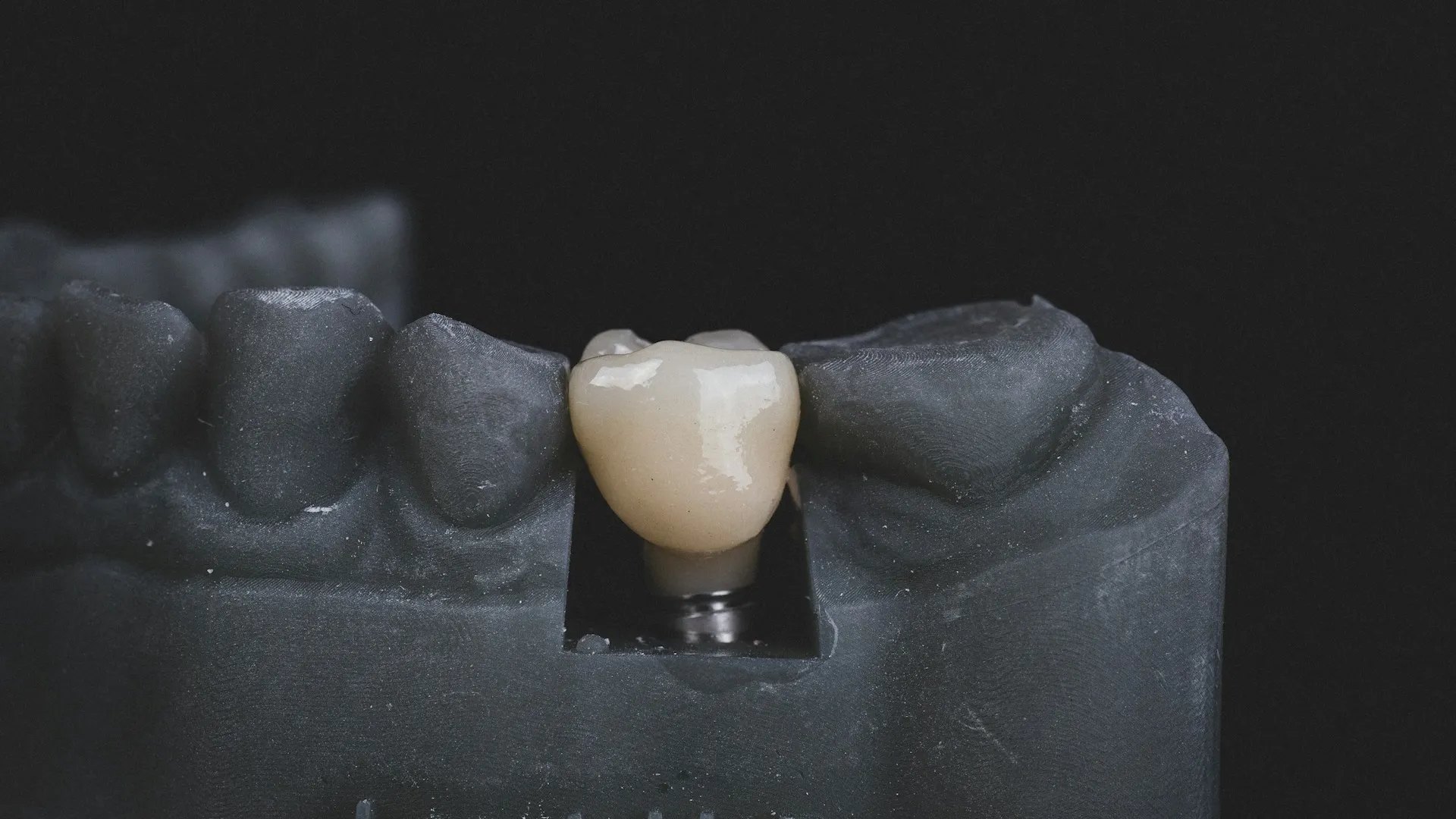
A dental implant is a tooth replacement designed to act like a real tooth from the root up. It’s not a “fake tooth glued on top.” It’s a small post placed in the jawbone that supports a new tooth.
Most implant restorations have three main parts:
- The implant: A small post that sits in the jawbone and acts like a tooth root.
- The abutment: A connector piece that attaches to the implant.
- The crown: The visible “tooth” that’s shaped and shaded to match your smile.
The goal is simple: restore steady chewing, clear speech, and a natural-looking smile, without the sliding or shifting some people feel with removable options.
Implant treatment is also personal. One person may need a single implant for a front tooth, another may need implant support for a denture, and another may need added steps before placement. A good plan looks at your bite, your gums, your bone support, and your day-to-day habits, then maps out the safest path forward.
When everything is planned well, implants can feel surprisingly normal. Many patients describe it like this: once the crown is in place, they stop thinking about it. That’s the point.
Implant vs bridge vs denture, what is the difference?
These options can all replace missing teeth, but they work in different ways.
Dental implant: Replaces the root and the tooth. It’s anchored in the jawbone, so it doesn’t depend on neighboring teeth for support. Many patients like the solid feel.
Dental bridge: Replaces a missing tooth by using the teeth next to the gap as anchors. Those neighboring teeth are shaped to support the bridge. Bridges can be a good choice in some cases, but they do rely on adjacent teeth.
Denture (partial or full): Replaces multiple teeth and rests on the gums. Dentures can restore a smile and function, but because they’re removable, some people notice movement, pressure spots, or changes in fit over time.
There’s no universal “best.” The right pick depends on your mouth, your comfort preferences, your timeline, and your budget.
Who can be a good candidate for dental implants?
Many adults are candidates for dental implants, but a few basics matter.
Dentists often look at:
- Overall health and medical history
- Gum health, because infected gums can weaken support around an implant
- Bone support in the area of the missing tooth
- Daily hygiene habits, including brushing and flossing
Even if you’ve been told you “don’t have enough bone,” don’t assume that’s the end of the story. Some patients may still have options, depending on the location and how much support is available. The only way to know is a proper exam and imaging, followed by a plan that fits your needs.
Common misconceptions about dental implants, debunked by an East Brunswick dentist
Implants get talked about like they’re mysterious. They’re not, but the myths stick around. Let’s clear up the ones we hear most often in our East Brunswick office.
Myth: Dental implant surgery is very painful
Most people expect implant placement to feel like a major event. In reality, many patients say the anxiety before the visit is worse than the procedure itself.
During implant placement, the area is fully numbed. Comfort-focused care matters here, from gentle technique to making sure you know what’s happening before anything starts. At Trinity Dental Services, we’re big on communication. Patients do better when nothing feels like a surprise.
After the appointment, it’s normal to have soreness for a short time. Think of it like a bruise or a tender spot after dental work. For many patients, that discomfort is manageable with the dentist’s aftercare instructions and recommended medications.
What also helps is planning and follow-up. A careful exam, clear instructions, and check-ins reduce the chance of “Did that seem normal?” moments at home.
Myth: Dental implants are only for older adults
It’s true that many implant patients are older adults, but implants aren’t an age-based treatment. They’re about need and readiness.
Adults of many ages can be candidates, as long as growth is complete and the mouth is healthy enough for treatment.
Younger adults may need implants because of:
- A sports injury or accident
- A tooth that fractured beyond repair
- Deep decay that couldn’t be saved
- A failed root canal or failed crown
- A missing tooth that’s been there for years
Timing matters. Sometimes you need to remove a tooth and allow healing first. Other times, the dentist may talk about temporary options while the area heals. The best timeline is the one that protects your long-term result, not the fastest one on paper.
Myth: If I have gum problems or bone loss, I cannot get implants
Gum health is a big deal with implants, but gum concerns don’t always mean “no.” Often, they mean “not yet.”
If gums are inflamed or there’s active gum disease, that needs to be treated first. Healthy gums give implants a better chance to stay stable long term. Some patients may also need added steps if bone support is limited. Others may not be good candidates, and an honest dental team will say so.
This is also where daily habits matter more than people realize. When teeth are crowded or misaligned, brushing and flossing can be harder, and plaque can build up in tight spots. Over time, that can raise the risk of gum disease. Improving alignment (when appropriate) can make home care easier, which supports healthier gums, and healthy gums support better outcomes for many dental treatments, including implants.
If you’ve been told implants aren’t possible, it’s still worth getting a second opinion based on current imaging and your current oral health, not an old snapshot from years ago.
Myth: Implants look fake and people will notice
A well-made implant crown should look like it belongs. That means matching:
- Color and shade
- Shape and size
- The way it reflects light
- The way it lines up with your bite
If you’ve seen an obvious “fake tooth,” it’s often because the crown wasn’t matched well, or the gumline wasn’t handled with enough planning.
Many patients want implants for confidence as much as function. That’s normal. People often feel better when they’re not trying to hide a gap, same way many people feel more comfortable after straightening teeth with discreet options like clear aligners. The goal isn’t a bright, perfect tooth that screams “new,” it’s a natural tooth that blends in.
Myth: Dental implants always fail
Implants have strong success rates when they’re planned well and cared for, but they’re not zero-risk. No medical or dental procedure is.
Implant problems are more likely when risk factors stack up, such as:
- Smoking or heavy vaping
- Uncontrolled diabetes
- Clenching and grinding that isn’t managed
- Poor brushing and flossing
- Skipping routine dental visits and cleanings
The good news is that many of these are things you can work on. Strong home care protects every part of your mouth, including implants. If you can’t clean well around a gumline because teeth are crowded or hard to reach, your dentist may talk with you about ways to make hygiene easier. That might be technique changes, different tools, or in some cases aligning teeth so brushing and flossing are more effective.
Regular checkups also matter. They let your dentist monitor your bite, your gum health, and the tissues around the implant before small issues turn into bigger ones.
What the dental implant process looks like at our East Brunswick office
Patients often feel calmer once they understand the path from “missing tooth” to “new tooth.” At Trinity Dental Services in East Brunswick, the focus is on clear steps, comfort options, and a pace that fits your needs.
You’ll start with an exam and imaging, then a plan that matches your mouth and goals. Some patients are replacing a single tooth. Others want help stabilizing a denture. Some need supporting treatment first, like gum care, a night guard for grinding, or another restorative step.
Our office is family-friendly and built for comfort, with a calm setting and small touches that help patients relax (music, TVs, and noise-cancelling headphones). We also speak English and Arabic, which helps many local families feel more at ease when discussing health decisions.
If you’re dealing with pain or a sudden tooth problem, we offer same-day emergency visits when available, plus Saturday hours, so care is easier to fit into real life.
Step-by-step timeline, from consultation to your final crown
Implants don’t have one exact timeline for everyone, but the steps are usually consistent.
- Consultation and imaging: We check gum health, bone support, and bite, then review options.
- Treatment plan: You’ll get a clear plan with the steps involved and what to expect.
- Implant placement: The implant is placed, then the area begins healing.
- Healing time: The bone and implant need time to bond. This varies by person.
- Abutment and final crown: Once ready, we place the connector and the custom crown.
At home, your job is simple but important: follow instructions, keep the area clean, brush twice a day, floss daily, and show up for follow-ups. Good home care is one of the biggest predictors of smooth healing, for natural teeth and for implants.
Cost and coverage myths, insurance, financing, and long-term value
A common misconception is that implants are always out of reach. The truth is more practical: cost depends on your case, and insurance coverage varies widely by plan.
At our East Brunswick office, we can verify benefits before treatment so you know what your plan may help with. If insurance doesn’t cover everything, many patients use third-party financing, or an in-office dental plan that includes preventive care and offers discounts on other treatments.
It also helps to think long term. Implants can provide strong function and stability, which can make them worth considering. Still, value isn’t only about price, it’s about picking the option that fits your health, goals, and budget without pressure.
Conclusion
Dental implant myths spread fast, but they don’t tell the full story. Implants are built to look and feel natural, the procedure is usually more comfortable than people expect, and many adults can be candidates with the right planning. The biggest factor you can control is daily care, brushing, flossing, and keeping regular dental visits, because healthy gums support every kind of dental work.
If you’re in East Brunswick and you’ve been putting off implants because of something you heard online or from a friend, get answers based on your mouth, not a rumor. Contact Trinity Dental Services to schedule a consultation, talk through your options, and leave with a clear plan you can feel good about.
Can Save Your Tooth
An infected root canal isn't something you can just ignore. You will need an endodontic procedure to remove the infection and reseal your root canals.
While a dental crown is often needed to protect the tooth after treatment, if you see us early enough you might only need a filling to protect your tooth. A timely appointment can also prevent your infection from advancing, which can lead to more extensive damage — or even the need for a dental extraction.
Our dentists' goal will always be to protect and preserve your tooth. Let us help, starting with a consultation.

New Brunswick Patients


During Root Canal Treatment?
You don't need to find an East Brunswick endodontist to treat your infected root canal, because Trinity Dental Services proudly offers root canal therapy among our comprehensive dental services.
1. Consultation
First, our dentists will take X-rays of your smile and assess your tooth. They will only plan a procedure if it's truly necesary.
First, our dentists will take X-rays of your smile and assess your tooth. They will only plan a procedure if it's truly necesary.
2. Local Anesthetic
When it comes time for your dental procedure, our dentist will apply local anesthetic to thoroughly numb the treatment site and keep you fully comfortable.
3. Tooth Treatment
Our dentist will make an opening in your enamel. Then, she will clean your tooth roots, removing your infected blood vessels and pulp.
4. Final Touches
Once the bacteria and affected pulp is gone, she will seal your tooth roots. She will also fortify your tooth with a filling or crown.
East Brunswick Office
63 W Prospect St #1
East Brunswick, NJ 08816
Our Office Hours
Mon. 10:00am - 7:00pm
Tue. 10:00am - 7:00pm
Wed. 10:00am - 7:00pm
Thu. 10:00am - 7:00pm
Fri. 10:00am - 7:00pm
Sat. 10:00am - 5:00pm
Sun. Closed