
Debunking Common Myths About Dental Bridges (East Brunswick, NJ Guide)
You can't just wait out an infected root canal. Only root canal therapy can solve your problem. Fortunately, you've found a dentistry team that can help: Trinity Dental Services in East Brunswick, NJ. With prompt treatment, you can find relief from your pain and restored oral health.
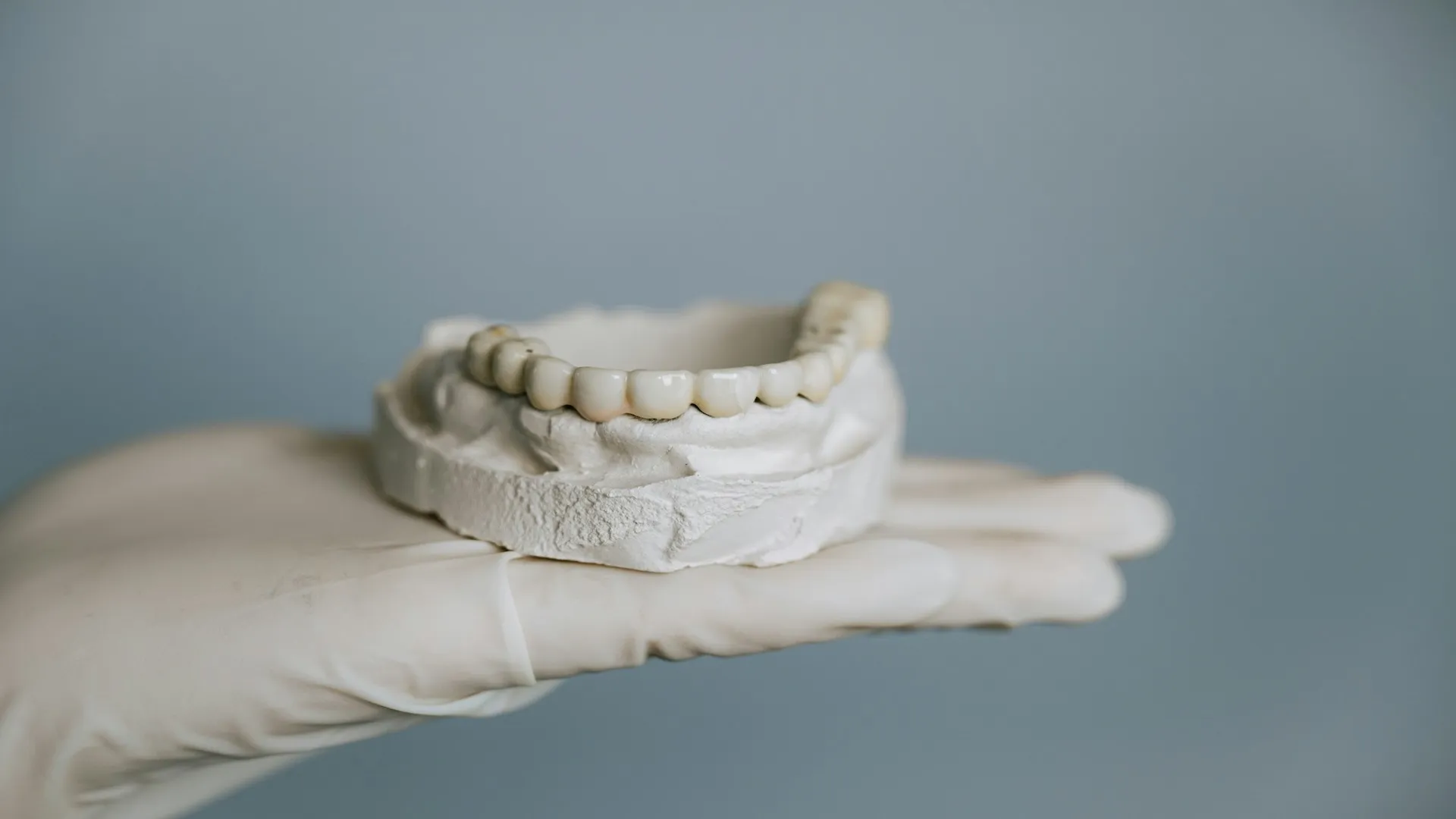
Missing one tooth is annoying, missing a few in a row can change everything. Chewing gets awkward, speech can feel off, and we may start hiding our smile in photos without even noticing. A dental bridge is one way we can replace one or more missing teeth that sit next to each other, so the gap does not keep stealing our comfort and confidence.
So why do myths about dental bridges spread so easily? Most of us hear a story from a friend, read a quick post online, or get advice that was true years ago but is outdated now. When we are already nervous about dental work, scary or oversimplified info sticks.
Getting clear facts matters because a stable bite supports better chewing, clearer speech, and long-term oral health. At Trinity Dental Services in East Brunswick, we offer both traditional bridges and implant-supported bridges. After an exam and X-rays, we match the recommendation to what we actually see, not to a one-size-fits-all rule.
Quick basics, what a dental bridge is and what it is not
A dental bridge does exactly what it sounds like, it bridges a gap. When we lose a tooth (or a few teeth) in a row, a bridge replaces the visible part of those teeth, so we can chew more normally and stop food from constantly packing into the space.
A bridge is not the same thing as a removable partial denture. Many bridges are fixed in place, meaning we do not take them out at night. It is also not the same as an implant crown, which replaces a single tooth using one implant post.
In our office, the two bridge types we most often discuss are:
- Traditional dental bridges, which are supported by the natural teeth on either side of the gap (these teeth are shaped so the bridge can attach securely).
- Implant-supported dental bridges, which are supported by dental implants (small titanium posts placed in the jawbone that act like tooth roots).
Implants matter for more than just holding power. Natural tooth roots stimulate the jawbone when we chew. When a tooth is gone, that stimulation drops and the bone can start to shrink over time. Because implants sit in the jawbone and function like artificial roots, they can help keep the jawbone active.
Traditional bridge vs implant-supported bridge, the key differences that matter day to day
The biggest day-to-day differences come down to stability, feel, and what teeth we rely on for support.
A traditional bridge is held by the neighboring teeth. To make that possible, those supporting teeth usually need reshaping, even if they were not the teeth we originally worried about. For the right case, that can still be a reasonable plan, but we should understand the tradeoff.
An implant-supported bridge is supported by implant posts instead. In many cases, that means we do not have to alter the adjacent natural teeth just to hold the bridge in place. People often like that idea because it protects more of their original tooth structure.
Who might need a bridge in the first place
We do not need a dramatic dental emergency to end up with a gap. Here are common situations we see:
One or several missing teeth in a row: From an old extraction, an accident, or a tooth that could not be saved.
Broken teeth: Sports injuries happen, and long-term grinding can crack teeth down to the point where repair is no longer realistic.
Deep decay: Large cavities can weaken teeth so much that they cannot support a normal filling or crown.
The right plan depends on what is happening in our mouth right now, not what happened years ago. An exam and X-rays help us choose a bridge design that fits our bite, our health, and our goals.
Debunking the biggest myths about dental bridges
Dental bridges have been around a long time, which is part of why the rumors stick. Some myths are based on older methods, others come from confusing bridges with dentures, and a few are just fear talking. Let’s sort them out in plain language.
Myth 1, Getting a bridge always means shaving down healthy teeth
Myth: A bridge always requires grinding down the teeth next door, even if they are perfectly healthy.
Reality: This is often true for a traditional bridge because it relies on neighboring teeth for support. Those teeth are shaped so the bridge can fit and stay stable.
What this means for us: If we want to replace multiple teeth without using nearby natural teeth as anchors, an implant-supported bridge may be worth discussing. Because the bridge attaches to implant posts, we can often keep the surrounding teeth intact instead of reshaping them just to hold the restoration.
That difference matters to many patients, especially if the adjacent teeth have no large fillings and are otherwise strong. Keeping more natural tooth structure is not just a nice idea, it can help us feel better about the long-term plan.
Myth 2, Dental bridges look fake and feel bulky
Myth: Bridges always look obvious, and they feel like a big plastic piece in our mouth.
Reality: A well-made bridge is designed to match our smile, including tooth shape and shade. Fit matters too. When a bridge fits correctly, it should feel like part of our bite, not like a loose add-on.
What this means for us: The process has improved a lot. For many cases, we can use digital impressions instead of old-style putty molds. Digital scans capture detailed images, which can support a more precise fit and a more comfortable experience, especially for patients who gag easily.
When the bridge is designed and adjusted carefully, we should be able to smile, speak, and laugh without worrying that it looks “off.” If something feels bulky, we should not power through it, we should get it checked.
Myth 3, Bridges are fragile, so we have to eat only soft foods forever
Myth: Once we get a dental bridge, we cannot chew normally again.
Reality: Bridges are made for daily function. After a short adjustment period, most people return to a normal diet, within common-sense limits based on their bite and habits.
What this means for us: The bigger risk is not normal chewing, it is using teeth like tools. Opening packages, biting nails, chewing ice, or tearing tape can damage restorations and natural teeth. That warning applies whether we have a bridge, veneers, crowns, or our natural teeth.
If we grind or clench, we should tell our dentist. Nighttime grinding can wear down both natural teeth and dental work, and a nightguard may help protect our investment.
Myth 4, A bridge fixes the gap, so bone loss is not a concern
Myth: Replacing the visible tooth is enough, the jawbone will stay the same.
Reality: A traditional bridge replaces the chewing surface and the visible part of the tooth, but it does not replace the root. Without root-like stimulation, the jawbone in that area can still change over time.
What this means for us: Dental implants act like artificial roots. Because they sit in the bone, they can provide stimulation similar to natural tooth roots when we chew. That is one reason implant-supported bridges are often discussed for long-term support, not just for looks.
This is not meant to scare anyone out of a traditional bridge. It is meant to keep expectations realistic, so we choose a plan that matches our priorities and our oral health.
Myth 5, The procedure is extremely painful
Myth: Getting a bridge (or implants for a bridge) is unbearable.
Reality: With local anesthetic, we should not feel pain during treatment. We may feel pressure, vibration, or movement, but sharp pain is a sign to speak up.
What this means for us: Comfort is part of the plan. We numb thoroughly, and we want patients to tell us if anything feels uncomfortable so we can adjust right away. Afterward, mild soreness can happen, especially after implant placement, and many people manage it with over-the-counter medication as directed.
For patients who are anxious, a calm setting helps. Small things like noise-canceling headphones, music, or a TV can make the appointment feel more manageable.
What to expect if we are considering a bridge, timeline, care, and costs
A bridge should never feel like a rushed decision. The planning visit usually starts with an exam, a close look at the gums, and X-rays to check the supporting teeth and bone. From there, we talk through goals, budget, and what we want long term (fast replacement, preserving tooth structure, bone support, or all of the above).
If a traditional bridge makes sense, the timeline may be shorter because we are not waiting for implant healing. If we are leaning toward an implant-supported bridge, we plan for healing time because the implant needs to fuse with the bone through a process called osseointegration. That healing phase often takes about 3 to 6 months.
Costs vary based on the number of teeth being replaced and the materials used. Insurance often helps with bridge costs, but it typically does not cover implants. In our East Brunswick office, we can also discuss payment options like financing through Sunbit, credit cards, and discounts through an in-office plan when available.
Implant-supported bridges, the basic steps and why healing time is part of the plan
Implant treatment is a process, not a single appointment. In plain terms, it often looks like this:
First, we meet for a consultation and review imaging to confirm candidacy. If an extraction is needed to prepare the site, we can often handle that in-office.
Next comes implant placement. The implant is a titanium post placed in the jawbone under local anesthetic.
Then we wait. During healing, the bone bonds to the implant, creating a strong foundation. After that, we place an abutment (the connector piece). Sometimes it is placed the same day as the implant, other times it is placed later.
Finally, we attach the custom bridge and check the bite carefully. Having implant placement and restoration planning under the same roof can help keep care consistent with the same team from start to finish.
How we help our bridge last, simple habits that protect our investment
A bridge works best when we treat it like part of our everyday routine.
Brush twice a day, clean between teeth daily, and keep regular checkups so small problems do not turn into big ones. Implant-supported restorations can be cared for much like natural teeth, but they still need professional cleanings and monitoring.
We also want to avoid habits that crack dental work, chewing ice, biting pens, and using teeth to open things. If we clench or grind, we should address it early. A protective guard can prevent chips, soreness, and repeated repairs.
FAQs, straight answers to common dental bridge questions
How long does a dental bridge last
It depends on the type of bridge, our bite, and home care. Many restorations can last 15 years or more with good hygiene and regular dental visits. Implants are designed to last a lifetime, but the bridge material can wear and may need replacement over time.
Can we get a bridge if we have gum disease or cavities
We usually need a healthy foundation first. If there is active decay or gum disease, we treat that before placing a bridge or implants to lower the risk of infection and future failure. Once health is stable, we can re-check the bridge plan.
Is an implant-supported bridge more stable than a removable partial denture
In many cases, yes. Removable dentures may need adhesive and can still shift during eating or speaking. Implant-supported restorations attach to implant posts, which often feels more secure and natural.
How do we clean under a dental bridge
We clean under and around a bridge with the right tools, not just a regular toothbrush. Floss threaders and water flossers are common options, and professional cleanings help remove buildup in tricky spots. We can show a quick, hands-on demo during a visit.
Will insurance cover a dental bridge in East Brunswick, NJ
Many dental plans help with bridge costs, but coverage varies by plan and timing. Implants are often not covered, though insurance may still help with related care like extractions or the bridge itself. We can review benefits and explain what to expect before treatment begins.
How do we know if we are a good candidate for dental implants
We look at oral health, bone support, and risk factors. Candidates often have healthy gums, enough bone for the implant to fuse, and they avoid tobacco because it raises failure and healing risks. We confirm this with an exam and imaging, and in some cases bone grafting may be part of the plan.
Conclusion
Dental bridge myths tend to shrink our choices right when we need them most. The truth is more reassuring. Bridges can look natural, they can feel comfortable, and with proper fit they can support confident chewing and speech. If we want to protect nearby teeth and support bone health, an implant-supported bridge may be a strong option to discuss.
If we are in East Brunswick, NJ and living with a gap (or a bridge that never felt right), we can schedule an evaluation at Trinity Dental Services. We will review traditional and implant-supported options, explain the timeline, and talk through payment paths like insurance and financing. We also focus on calm, pain-minimized care, especially for anxious patients, because getting answers should feel easier than living with the unknown.
Can Save Your Tooth
An infected root canal isn't something you can just ignore. You will need an endodontic procedure to remove the infection and reseal your root canals.
While a dental crown is often needed to protect the tooth after treatment, if you see us early enough you might only need a filling to protect your tooth. A timely appointment can also prevent your infection from advancing, which can lead to more extensive damage — or even the need for a dental extraction.
Our dentists' goal will always be to protect and preserve your tooth. Let us help, starting with a consultation.

New Brunswick Patients


During Root Canal Treatment?
You don't need to find an East Brunswick endodontist to treat your infected root canal, because Trinity Dental Services proudly offers root canal therapy among our comprehensive dental services.
1. Consultation
First, our dentists will take X-rays of your smile and assess your tooth. They will only plan a procedure if it's truly necesary.
First, our dentists will take X-rays of your smile and assess your tooth. They will only plan a procedure if it's truly necesary.
2. Local Anesthetic
When it comes time for your dental procedure, our dentist will apply local anesthetic to thoroughly numb the treatment site and keep you fully comfortable.
3. Tooth Treatment
Our dentist will make an opening in your enamel. Then, she will clean your tooth roots, removing your infected blood vessels and pulp.
4. Final Touches
Once the bacteria and affected pulp is gone, she will seal your tooth roots. She will also fortify your tooth with a filling or crown.
East Brunswick Office
63 W Prospect St #1
East Brunswick, NJ 08816
Our Office Hours
Mon. 10:00am - 7:00pm
Tue. 10:00am - 7:00pm
Wed. 10:00am - 7:00pm
Thu. 10:00am - 7:00pm
Fri. 10:00am - 7:00pm
Sat. 10:00am - 5:00pm
Sun. Closed