
How Dental Implants Can Improve Your Quality of Life (Insights From an East Brunswick Dentist)
You can't just wait out an infected root canal. Only root canal therapy can solve your problem. Fortunately, you've found a dentistry team that can help: Trinity Dental Services in East Brunswick, NJ. With prompt treatment, you can find relief from your pain and restored oral health.
Missing teeth affect much more than your smile. If you avoid certain foods, struggle with a loose denture, or hide your mouth in photos, you already know how much teeth shape your daily life.
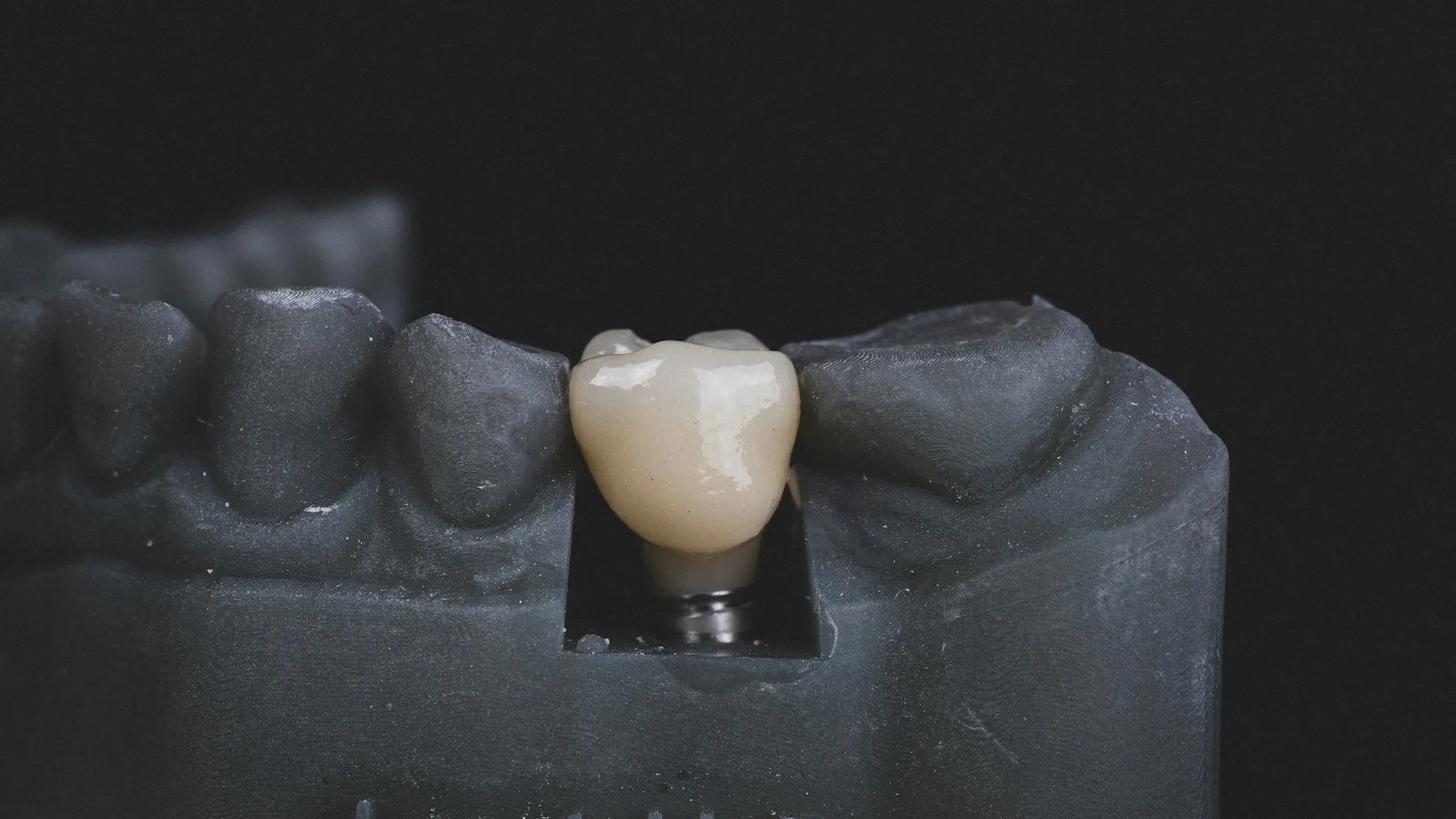
Dental implants offer a long-term way to replace missing teeth. They are small posts that sit in the jaw and act like new roots, holding a crown, bridge, or denture in place. Instead of a quick fix, implants are designed as a stable, lasting foundation for your smile.
In this guide, based on the experience of an East Brunswick dentist at a family-friendly office like Trinity Dental Services, you’ll see how implants can improve everyday life. We will look at how they help you eat, speak, and smile with confidence, and how they support your long-term oral health and comfort.
What Are Dental Implants and How Do They Work?
Think of a dental implant as a replacement root for a missing tooth. It sits in the jawbone where your natural root used to be and provides a strong base for a new tooth on top.
A complete implant tooth has three main parts:
- Implant post: A small titanium post that goes into the jawbone and bonds with it over time.
- Abutment: A connector that attaches to the implant post.
- Restoration: The visible tooth replacement, such as a crown, bridge, or denture that snaps into place.
The basic process is straightforward, even if it happens in stages:
- Consultation and exam
Your dentist checks your teeth, gums, and jawbone, often with X-rays or 3D scans. Just as clear aligners are carefully planned to move teeth into the right position, implants are planned with digital tools to find the safest and most stable spot in the bone. - Treatment planning
You talk through your options, costs, and timing. A family-focused East Brunswick office will explain everything in plain language, answer questions, and give you time to decide. - Implant placement
At a later visit, the dentist numbs the area and gently places the implant into the jaw. Patients often say the feeling is similar to getting a filling, thanks to numbing and a calm setting. - Healing period
Over a few months, the bone grows around the implant. This step is what gives implants their strength. During this time, you may wear a temporary tooth so you can smile and eat softer foods. - Final restoration
Once the implant is stable, your dentist attaches the abutment and then the crown, bridge, or denture that was custom made to match your mouth.
Throughout the process, a practice like Trinity Dental Services focuses on comfort, clear communication, and gentle care, so you know what’s happening at each step.
Types of Tooth Replacement Implants Can Support
Dental implants can support different kinds of tooth replacements, depending on how many teeth you’re missing and what feels right for your lifestyle.
- Single implant crown
This replaces one missing tooth with an individual crown on top of one implant. It looks and functions like a natural tooth without touching nearby teeth. - Implant bridge
When several teeth in a row are missing, two or more implants can hold a bridge. This fills the gap without needing to grind down healthy teeth next to the space. - Implant-supported dentures
For patients missing most or all teeth, implants can secure a full denture. Instead of resting only on the gums, the denture snaps or clips onto implants. Just as clear aligners use a series of trays to gently move teeth into place, implant attachments give the denture a guided, stable fit so it stays where it belongs.
Your East Brunswick dentist will recommend the best option after looking at your jawbone health, how many teeth you’re missing, and your budget.
Life-Changing Benefits of Dental Implants for Everyday Comfort
The real power of implants shows up in small, daily moments: a meal with family, a laugh with friends, or a photo you no longer avoid. Let’s look at how they change everyday comfort.
Eat the Foods You Love Again Without Worry
Missing teeth or loose dentures limit what you can eat. Many patients slide toward soft, processed foods because biting into crisp fruits, salads, or meats feels risky or painful.
This is similar to how crooked teeth make brushing and flossing harder. When teeth overlap, it’s easy to miss spots, which raises the risk of tooth decay and gum disease. Over time, that can affect your whole mouth and even your general health.
Implants are different. Because they are anchored in the jaw, they can handle much of the chewing force that natural roots once did. Once your implants have healed and your dentist gives the green light, you can usually go back to a more varied diet:
- Crunchy apples and carrots
- Fresh salads
- Lean meats and grilled foods
Better chewing supports better digestion and nutrition. It also lets you join in at your favorite East Brunswick restaurants without studying the menu for “safe” choices. Many patients say they enjoy meals again instead of dreading them.
Speak Clearly and Smile With Confidence
Gaps in your smile or a denture that slips can change how you pronounce words. Some people develop a slight lisp or feel their denture lift when they say certain sounds. Others get in the habit of covering their mouth when they laugh or avoiding video calls and photos.
Patients who come in for clear aligners often share a similar story. They feel self-conscious about crooked teeth and hesitate to smile until their alignment improves. The emotional weight can be heavy.
Dental implants fill the empty spaces with stable, natural-looking teeth. Since the teeth stay in place, your tongue and lips can move the way they are meant to, which supports clearer speech. Many people notice they:
- Speak with less effort
- Laugh freely
- Pose for pictures without hiding
That change in confidence might sound small on paper, but it can affect work, relationships, and how you feel about yourself day to day.
Enjoy a Stable, Comfortable Fit Compared to Traditional Dentures
Traditional dentures rest on the gums and rely on suction or adhesive. Over time, as the jawbone shrinks, dentures tend to loosen. They can rock, pinch, or rub sore spots. Some patients start to avoid social events because they fear their denture will slip at the wrong moment.
Implant-supported dentures work differently. A few dental implants are placed in the jaw, and the denture attaches to them with special clips or connectors. This extra support helps:
- Keep the denture from sliding out of place
- Reduce rubbing and sore spots
- Make chewing and speaking feel more secure
At a patient-centered office like Trinity Dental Services, comfort is a priority at every visit. Calming touches such as music, TVs, and noise-cancelling headphones help you relax while your dentist creates a more stable smile that feels like part of you, not something you fight with all day.
Protect Your Jawbone and Face Shape Over Time
When a tooth is lost, the jawbone in that area no longer gets the same stimulation from chewing. Over time, the bone can shrink. This can change your facial profile, make the cheeks look more sunken, and cause dentures to become loose.
Dental implants act like artificial roots. When you bite and chew, they send signals to the bone to stay active and strong. This can slow or reduce the bone loss that often follows tooth removal.
Think of it as a long-term investment in your oral health. Just as clear aligners straighten crowded teeth so you can brush and floss better and reduce the risk of decay and gum disease, implants support the structure under your gums so your smile and face stay more stable as the years pass.
Health and Quality of Life Benefits Your East Brunswick Dentist Wants You To Know
Once you look past the daily wins, dental implants also support your health in bigger ways. They can help keep the rest of your teeth healthier, support a more balanced bite, and offer good long-term value.
Improved Oral Health and Easier Daily Cleaning
Gaps from missing teeth are not just empty spaces. Nearby teeth tend to drift, tilt, or crowd into those areas. That crowding can trap food and make brushing and flossing trickier.
This is the same problem patients with misaligned teeth face. When teeth are crooked, it’s harder to clean well, which increases the risk of tooth decay and gum disease.
Implant crowns and bridges are shaped like natural teeth and sit in line with your bite, so:
- Your toothbrush can reach surfaces more easily
- Floss can slide between teeth in a normal pattern
- There are fewer deep gaps where plaque can hide
Daily care for implants is simple:
- Brush twice a day with a soft-bristled brush
- Floss once a day, including around the implant teeth
- Visit your East Brunswick dentist regularly for exams and cleanings
With this routine, implants can help you keep your whole mouth healthier.
Support for a Healthier Bite and Less Jaw Discomfort
When you lose teeth, your bite changes. You might start chewing on one side, which puts extra stress on those teeth and on your jaw joints, called the temporomandibular joints (TMJs). Over time, that extra strain can lead to jaw pain, headaches, or sore muscles.
Patients with misaligned bites often have similar problems. When teeth do not meet correctly, the TMJs can work harder, which may trigger discomfort.
By replacing missing teeth with implants, your dentist can bring your bite back into better balance. Chewing forces spread more evenly, which may ease strain on the joints.
In some cases, your East Brunswick dentist may pair implants with other treatments, such as:
- Clear aligners to straighten remaining teeth
- Night guards to protect against clenching or grinding
This kind of custom plan focuses on comfort now and protection for the future.
Long-Term Value Compared to Bridges and Removable Dentures
Many patients wonder if implants are “worth it.” The honest answer is that implants often cost more at the start than a traditional bridge or denture, but they are designed as a long-term solution.
- A dental bridge usually relies on the teeth next to the gap. Those teeth may need to be reshaped and covered with crowns, which removes healthy tooth structure. Bridges can also wear out over time and need replacement.
- Traditional dentures sit on the gums and may need frequent adjustments as the jawbone changes. Some patients replace them several times over the years.
Implants don’t rely on nearby teeth, and with good care, the implant posts can last for many years. You may need to refresh the crown or denture on top at some point, but the foundation remains.
At a practice like Trinity Dental Services, the team helps you understand costs before treatment begins. They check insurance benefits, discuss third-party financing, and offer in-office membership plans that make ongoing care more affordable.
What to Expect When Getting Implants at a Family-Friendly East Brunswick Office
If you feel nervous about dental work, you’re not alone. Many adults had rough experiences as kids and worry about pain or feeling judged. A family-friendly practice in East Brunswick works hard to change that story.
Step-by-Step: From Consultation to Your New Smile
Here’s what the implant journey typically looks like:
- Consultation and exam
Your dentist reviews your medical and dental history, checks your gums and bite, and takes X-rays or 3D scans to measure your jawbone. - Planning and discussion
You look at your options together, such as single implants, an implant bridge, or implant dentures. The team reviews timing, costs, and financing in clear terms. - Implant placement visit
On the day of surgery, the area is numbed, and the dentist gently places the implant into the bone. Most patients feel pressure but little pain during the appointment. - Healing period
You go home with simple instructions for care and any needed medication. The implant bonds with the bone over a few months. - Final tooth or denture
Once healing is complete, the abutment and final restoration are attached. The dentist checks your bite and comfort. - Follow-up and home care
You’ll return for checkups so the team can monitor the implant and guide your home care.
Throughout, you’re encouraged to ask questions so you feel in control of your own care.
Comfort, Sedation, and a Calming Environment
A warm atmosphere makes a big difference. At an office like Trinity Dental Services, you’ll find:
- Friendly staff who explain each step
- Gentle numbing techniques
- TVs or movies to watch during treatment
- Music or noise-cancelling headphones to block sounds
For patients with strong dental anxiety, light sedation options may be available so they can relax more easily. Many people who once dreaded the dentist start to feel at ease when they see how kind and patient the team is.
Caring for Your Implants So They Last
Taking care of implants is a lot like caring for natural teeth. Simple habits go a long way:
- Brush twice daily with a soft brush
- Floss around implants and neighboring teeth
- Use any special tools your dentist suggests, such as small brushes for tight spaces
- Keep up with regular cleanings and exams
This is similar to caring for clear aligners, which also need daily cleaning and regular checkups. When you follow the home-care steps and see your dentist on schedule, you help protect the gums and bone around your implants so they stay strong for years.
Conclusion: A Stronger Smile, A Better Everyday Life
Dental implants do far more than fill gaps. They can make it easier to enjoy a good meal, speak clearly, and smile without thinking twice. Just as clear aligners help straighten crowded teeth so you can clean better and protect against decay, implants support the deeper structure of your mouth and keep your smile working well.
They also support confidence and comfort. Many East Brunswick adults who once hid their teeth find that life feels lighter once their smile looks and feels complete. Better chewing, fewer sore spots, a more balanced bite, and improved oral hygiene all add up to better long-term health.
If you live in East Brunswick or a nearby community and you’re tired of missing teeth or loose dentures, you don’t have to guess about your options. Reach out to an implant dentist at Trinity Dental Services and schedule a consultation. A gentle, well-explained visit can show you whether dental implants are the right path toward a stronger, more confident smile.
Can Save Your Tooth
An infected root canal isn't something you can just ignore. You will need an endodontic procedure to remove the infection and reseal your root canals.
While a dental crown is often needed to protect the tooth after treatment, if you see us early enough you might only need a filling to protect your tooth. A timely appointment can also prevent your infection from advancing, which can lead to more extensive damage — or even the need for a dental extraction.
Our dentists' goal will always be to protect and preserve your tooth. Let us help, starting with a consultation.

New Brunswick Patients


During Root Canal Treatment?
You don't need to find an East Brunswick endodontist to treat your infected root canal, because Trinity Dental Services proudly offers root canal therapy among our comprehensive dental services.
1. Consultation
First, our dentists will take X-rays of your smile and assess your tooth. They will only plan a procedure if it's truly necesary.
First, our dentists will take X-rays of your smile and assess your tooth. They will only plan a procedure if it's truly necesary.
2. Local Anesthetic
When it comes time for your dental procedure, our dentist will apply local anesthetic to thoroughly numb the treatment site and keep you fully comfortable.
3. Tooth Treatment
Our dentist will make an opening in your enamel. Then, she will clean your tooth roots, removing your infected blood vessels and pulp.
4. Final Touches
Once the bacteria and affected pulp is gone, she will seal your tooth roots. She will also fortify your tooth with a filling or crown.
East Brunswick Office
63 W Prospect St #1
East Brunswick, NJ 08816
Our Office Hours
Mon. 10:00am - 7:00pm
Tue. 10:00am - 7:00pm
Wed. 10:00am - 7:00pm
Thu. 10:00am - 7:00pm
Fri. 10:00am - 7:00pm
Sat. 10:00am - 5:00pm
Sun. Closed