
Maintaining Your Dental Bridges: Simple Care Tips for a Lasting Smile
You can't just wait out an infected root canal. Only root canal therapy can solve your problem. Fortunately, you've found a dentistry team that can help: Trinity Dental Services in East Brunswick, NJ. With prompt treatment, you can find relief from your pain and restored oral health.
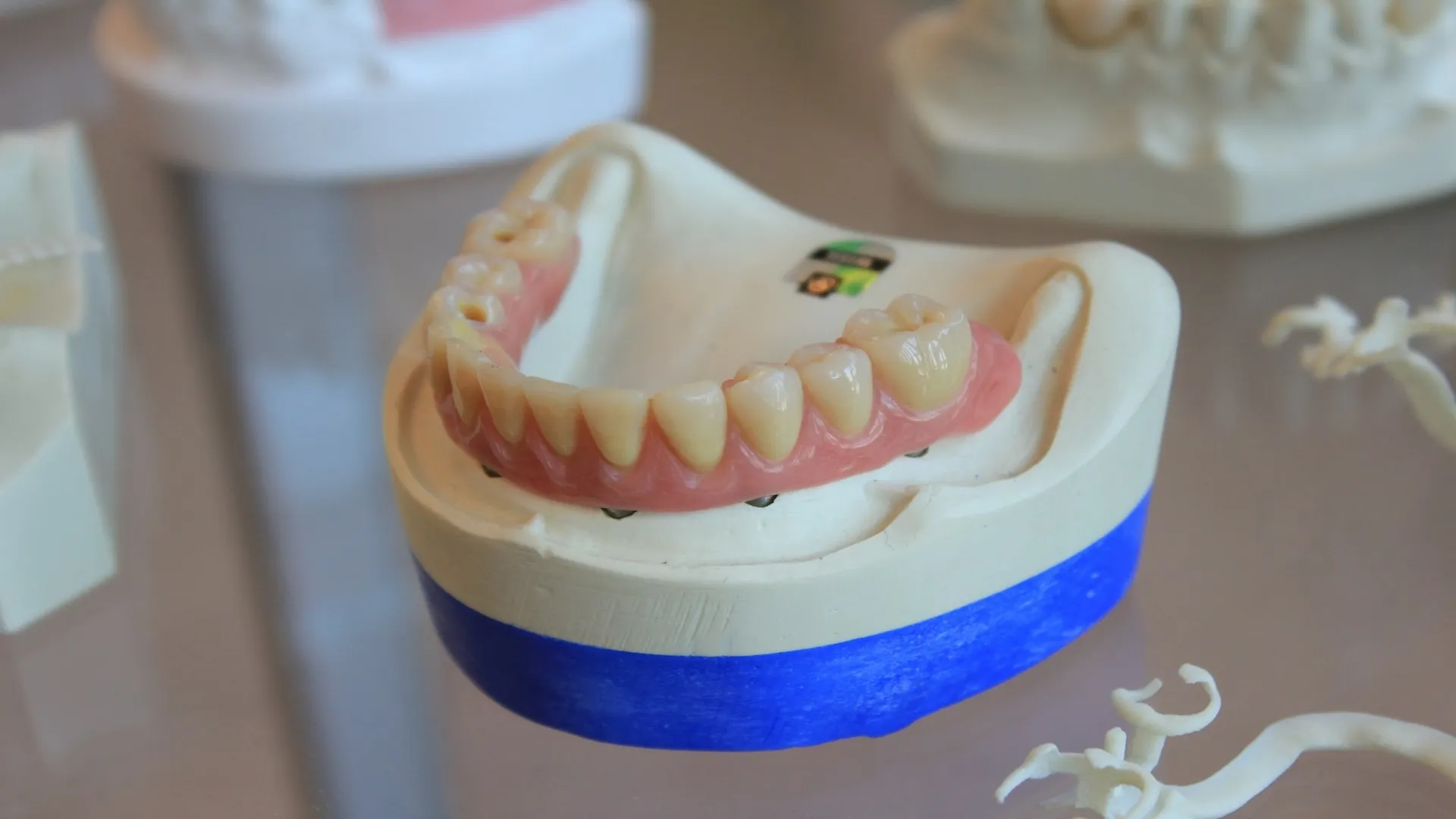
A dental bridge does more than fill a gap in your smile. It helps you chew comfortably, speak clearly, and feel more confident when you laugh or smile. Like any dental work, though, it only stays strong if you take care of it every day.
Good home care keeps your dental bridge and the teeth that support it healthy. With a few simple habits, you can lower your risk of decay and gum disease, avoid bad breath, and help your bridge last many years. Patients at Trinity Dental Services in East Brunswick, and families everywhere, can follow the same easy routine at home.
What Is a Dental Bridge and How Long Can It Last?
A dental bridge is a fixed replacement that fills the space where one or more teeth are missing. It uses the teeth next to the gap, or dental implants, as supports. The bridge itself holds one or more artificial teeth that sit on top of your gums.
There are a few main styles. A traditional bridge is supported by crowns on the teeth on both sides of the gap. A cantilever bridge is attached to only one nearby tooth. An implant-supported bridge rests on implants placed in the jaw instead of natural teeth.
With good care, a bridge often lasts 7 to 15 years or longer. How long yours lasts depends on daily brushing and flossing, regular dental visits, and how healthy your gums and jawbone stay over time.
Daily Home Care: How to Clean Around Your Dental Bridge
Plaque builds up around a bridge just like it does around natural teeth. If it sits at the gumline, it can lead to bleeding gums, decay on the supporting teeth, and a bridge that fails too early.
The good news is that the same simple habits you use to care for your teeth and even clear aligners work for bridges too. A steady routine of careful brushing, smart flossing, and the right rinse keeps your bridge clean and your breath fresh.
Brushing Your Bridge and Teeth the Right Way
Plan to brush at least twice a day for a full two minutes. Use a soft-bristled toothbrush and a fluoride toothpaste. Hard bristles and aggressive scrubbing can scratch the surface of your bridge and irritate your gums.
Focus on these steps:
- Angle the brush toward the gumline where the bridge meets your gums.
- Use small, gentle strokes instead of back-and-forth scrubbing.
- Brush the teeth that support the bridge, your other teeth, and your tongue.
Clear aligner patients at Trinity Dental Services are taught to clean along the gums carefully so plaque does not build up around their trays. The same idea applies to your bridge. Clean edges and healthy gums keep the fit more comfortable and reduce your risk of soreness or infection.
Replace your toothbrush every 3 months, or sooner if the bristles start to fan out. A worn brush does not clean well. If you like electric brushes, choose one with a gentle setting and a soft head.
Flossing Under and Around the Bridge
Food and bacteria collect easily under the fake tooth in the bridge. That area can be tricky, because the teeth are joined together and you cannot slide floss between them the usual way.
To clean under your bridge, simple tools help a lot:
- Floss threaders (a small plastic loop that pulls floss through)
- Super floss (thicker floss with a stiff end)
- Small interdental brushes (tiny brushes that fit under the bridge)
Here is one easy way to floss under a bridge with a threader or super floss:
- Pull a piece of floss through the eye of the threader, or use the pre-stiffened end of super floss.
- Gently guide the stiff end under the bridge, near the gumline.
- Once the floss is under the bridge, hug the side of one supporting tooth and move the floss up and down.
- Slide the floss along to clean under the middle of the bridge, then repeat on the other supporting tooth.
Move slowly and gently. The goal is to break up sticky plaque, not to jab your gums. Aim to floss under and around the bridge at least once a day. Clear aligner users who skip flossing often end up with decay around the edges of their trays; the same thing can happen around bridge edges if plaque is left behind.
Using Mouthwash and Other Helpful Tools
An alcohol-free antimicrobial or fluoride mouthwash is a helpful extra step. It reaches areas that brushing and flossing miss, reduces bacteria, and can strengthen the teeth that hold your bridge.
Swish for the time listed on the bottle, usually 30 to 60 seconds, then spit. Choose a rinse that does not sting, especially if your gums are sensitive.
Other tools can make cleaning easier:
- A water flosser can flush food out from under the bridge, which is great if regular floss is hard for you to use.
- A tongue scraper or gentle brushing of the tongue helps control bad breath, which often starts on the tongue, not the teeth.
These tools support your routine, but they do not replace brushing and flossing. Think of them as backup that helps you keep your bridge and gums in top shape.
Habits That Protect Your Dental Bridge for the Long Term
Daily cleaning is the base. What you eat, how you use your teeth, and other day-to-day choices also affect how long your bridge will last.
What to Eat (and Avoid) With a Dental Bridge
You do not have to live on soup once you have a bridge. You just need to treat it with care, especially in the first week or two after it is placed.
At first, your dentist may suggest chewing more on the side without the bridge. As you get used to it, you can chew more normally. Cutting food into smaller pieces helps limit extra pressure on the bridge.
Try to go easy on:
- Very sticky candies, like caramels or taffy, that can tug at the bridge
- Hard nuts, popcorn kernels, and ice, which can chip porcelain
- Tough bread crusts or hard pretzels that strain the cement and supporting teeth
Focus on foods that are kind to your teeth and gums, such as:
- Soft fruits like bananas and ripe berries
- Cooked vegetables instead of raw, very hard ones
- Lean proteins like fish, chicken, eggs, and beans
- Dairy products like yogurt and cheese that support strong teeth
A quick food guide can help you picture your choices.
Better choicesUse with careYogurt, eggs, steamed vegetablesHard nuts, crusty bread, thick pretzelsSoft fruits, smoothiesSticky candy, chewing gum, caramelTender meats, fish, tofuIce chewing, popcorn kernels, hard candy
You do not have to be perfect. Just keep in mind that every time you avoid biting on ice or a very hard snack with your bridge, you protect it a little more.
Protecting Your Bridge From Grinding and Sports Injuries
Clenching or grinding your teeth at night, called bruxism, can wear down a bridge over time. It can also loosen the cement that holds it in place.
If you wake with sore jaw muscles, dull headaches, or notice flat edges on your teeth, talk with your dentist. A custom night guard creates a smooth, protective layer between your upper and lower teeth. It spreads out the pressure, which helps protect your bridge and your natural teeth.
Sports can be a risk too. A hit to the mouth during soccer, basketball, or martial arts can damage a bridge. A well-fitted sports mouthguard shields your teeth and any bridges, much like a helmet protects your head.
Trinity Dental Services in East Brunswick offers custom night guards and sports mouthguards as part of their preventive care. If you already visit the office for clear aligners or regular cleanings, it is easy to ask about these options at your next visit.
Why Smoking and Poor Oral Habits Put Your Bridge at Risk
Smoking and heavy vaping dry the mouth and irritate the gums. Dry mouth means less saliva to wash away food and acid, so plaque sticks longer around the edges of your bridge. Gums can pull back over time, which exposes more of the supporting teeth and roots.
Cutting back or quitting will help your whole mouth and body. Keep sugary snacks and drinks as occasional treats, not all-day habits. Sipping soda or sweet coffee all day keeps your teeth bathed in sugar and acid, which raises the risk of decay around the teeth that hold your bridge.
Checkups, Red Flags, and When to Call Your Dentist
Even if your bridge feels fine, regular checkups are important. At-home care handles daily cleaning, but your dentist can see and reach areas you cannot.
Clear aligner patients often visit every 4 to 6 weeks so their dentist can track progress and make small changes. Bridges do not need visits that often, but they still benefit from routine checkups to stay in good shape.
Why Regular Dental Visits Matter When You Have a Bridge
Most people do best with a cleaning and exam every six months. At these visits, your dentist and hygienist can:
- Clean plaque and tartar around the bridge and gumline
- Check how the bridge fits and how your bite comes together
- Look for early signs of decay on the supporting teeth
- Measure your gums and review X-rays to track bone health
Catching a small cavity near a bridge early is much easier than dealing with a broken or loose bridge later. Regular visits also give you time to ask about any small changes you notice at home.
Trinity Dental Services makes this easier for busy families in East Brunswick. The office offers Saturday hours, same-day emergency visits, and works with many insurance plans and financing options. That support helps patients keep up with routine care instead of putting it off.
Warning Signs Your Dental Bridge Needs Attention
A bridge should feel comfortable most of the time. If something starts to feel off, your mouth is sending you a warning sign.
Call your dentist if you notice:
- Pain when you bite or chew on the bridge
- New sensitivity to hot, cold, or sweets around the bridge
- Food getting stuck under or around the bridge more often
- A change in how your teeth fit together when you close
- Chips, cracks, or rough spots on the bridge
- Bad breath or a bad taste that does not go away after brushing
- The bridge feeling loose, or movement when you touch it
Do not try to glue a bridge back in place at home. Household glues are not safe in your mouth and can damage the tooth or make repair harder. Many family practices, including Trinity in East Brunswick, offer same-day emergency visits to handle issues like a loose or broken bridge.
Quick care often means a simpler fix and a lower cost.
Conclusion
A healthy dental bridge depends on simple, steady habits. Daily cleaning with gentle brushing, flossing under and around the bridge, and a helpful mouthwash keeps plaque from building up where you cannot easily see it. Smart choices with food, a night guard if you grind, and avoiding smoking and constant sugary snacks give your bridge and your gums a better chance to stay strong.
With regular checkups and cleanings, most bridges can last for many years. Caring for the teeth and gums that support your bridge is just as important as caring for the bridge itself. If you live in East Brunswick or nearby and have questions about a new or older bridge, reach out to Trinity Dental Services to schedule a checkup or get one-on-one tips tailored to your smile.
Can Save Your Tooth
An infected root canal isn't something you can just ignore. You will need an endodontic procedure to remove the infection and reseal your root canals.
While a dental crown is often needed to protect the tooth after treatment, if you see us early enough you might only need a filling to protect your tooth. A timely appointment can also prevent your infection from advancing, which can lead to more extensive damage — or even the need for a dental extraction.
Our dentists' goal will always be to protect and preserve your tooth. Let us help, starting with a consultation.

New Brunswick Patients


During Root Canal Treatment?
You don't need to find an East Brunswick endodontist to treat your infected root canal, because Trinity Dental Services proudly offers root canal therapy among our comprehensive dental services.
1. Consultation
First, our dentists will take X-rays of your smile and assess your tooth. They will only plan a procedure if it's truly necesary.
First, our dentists will take X-rays of your smile and assess your tooth. They will only plan a procedure if it's truly necesary.
2. Local Anesthetic
When it comes time for your dental procedure, our dentist will apply local anesthetic to thoroughly numb the treatment site and keep you fully comfortable.
3. Tooth Treatment
Our dentist will make an opening in your enamel. Then, she will clean your tooth roots, removing your infected blood vessels and pulp.
4. Final Touches
Once the bacteria and affected pulp is gone, she will seal your tooth roots. She will also fortify your tooth with a filling or crown.
East Brunswick Office
63 W Prospect St #1
East Brunswick, NJ 08816
Our Office Hours
Mon. 10:00am - 7:00pm
Tue. 10:00am - 7:00pm
Wed. 10:00am - 7:00pm
Thu. 10:00am - 7:00pm
Fri. 10:00am - 7:00pm
Sat. 10:00am - 5:00pm
Sun. Closed