
Maintaining Your Dental Implants: Tips from Our East Brunswick Dentist
You can't just wait out an infected root canal. Only root canal therapy can solve your problem. Fortunately, you've found a dentistry team that can help: Trinity Dental Services in East Brunswick, NJ. With prompt treatment, you can find relief from your pain and restored oral health.
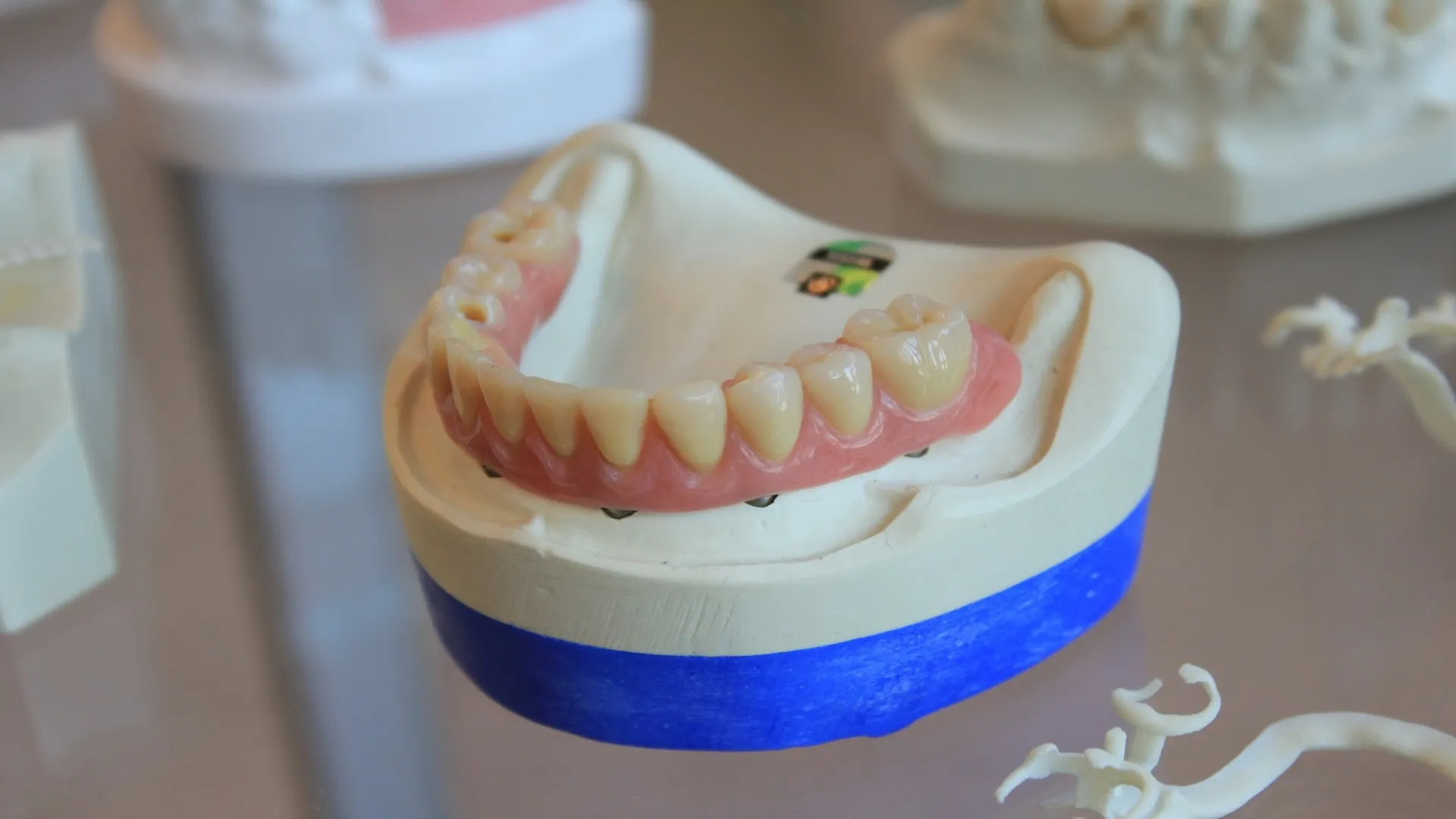
If you’ve invested in dental implants, you probably want one thing, for them to feel normal and stay strong for years. We feel the same way. At our East Brunswick dental office, we remind patients that implants can be long-lasting with good care, but the gums and bone around them still need daily attention.
An implant doesn’t decay like a natural tooth, but that doesn’t mean it’s “set it and forget it.” Plaque can still irritate the tissue around the implant, and that irritation can snowball if it’s ignored. The good news is that most implant problems are preventable with simple habits and regular checkups.
If you’re healing from surgery, we also want you to feel reassured. Mild discomfort for a few days is common, and many patients do well with over-the-counter pain relief when taken as directed. Our goal is to keep implant care clear and calm, with steps you can follow at home. We also handle implant care in-house, so you’re working with the same team throughout your treatment in a patient-first setting.
Start with the basics, daily care that protects your implant and your gums
A dental implant is often described as an artificial tooth root, usually a titanium post placed in the jawbone. Titanium is durable and designed to hold up for the long run, but the success of implants still depends on the health of what surrounds them: your gums, your bone, and your bite.
Here’s a simple way to think about it. A natural tooth can get a cavity. An implant can’t. But both can suffer from the same enemy: plaque buildup at the gumline. When plaque sits on the gums, the tissue can become inflamed. Over time, inflammation can lead to infection and bone loss around the implant, which can threaten stability.
Daily implant care also protects the restoration on top of the implant, like a crown, bridge, or implant-supported denture. These restorations are strong, but they still face wear and tear. Keeping them clean helps prevent staining, odor, irritated gums, and that “something feels off” feeling when food packs around the edges.
A few practical do’s and don’ts we share with implant patients:
- Do brush gently at the gumline, not just the chewing surfaces.
- Do clean between teeth every day, even if it feels tedious.
- Do pay attention to bleeding, tenderness, or swelling around the implant.
- Don’t skip cleanings because your implant “isn’t a real tooth.”
- Don’t assume discomfort or bleeding will just go away on its own.
Our easy routine for brushing and flossing around implants
We like routines that work on busy mornings. For most implant patients, the basics are simple and effective.
Brush twice a day for two minutes with a soft-bristled toothbrush. Aim the bristles toward the gumline and use small, gentle motions. Think of it like sweeping the edge where the gum meets the tooth, instead of scrubbing hard like you’re cleaning tile grout.
Floss once a day. If you have an implant crown, flossing keeps the gumline cleaner and reduces irritation. If you have an implant bridge or implant-supported denture, we’ll show you the best way to clean under and around it, since the shape changes how food and plaque collect.
Helpful tools can make cleaning easier, especially if your hands get tired or you have tight spaces:
- A water flosser can help flush food and plaque around restorations.
- Interdental brushes can be useful for larger spaces or certain bridge designs.
Here’s a quick checklist you can copy to your phone notes:
- Brush morning and night (2 minutes)
- Soft brush, gentle angle at gumline
- Floss daily (or use the tool we recommended)
- Rinse and check for bleeding or soreness
- If something feels new or “not right,” call us
Bad habits that can crack your restoration or stress your implant
Implant crowns and bridges are built to chew food, not to act like tools. We see avoidable damage when patients use teeth to open packages, bite nails, or chew ice. Those forces are sharp and repeated, and they can chip porcelain or stress the implant components over time.
A few habits we recommend stopping (or at least being honest about):
- Don’t use teeth to open packaging. Grab scissors.
- Don’t bite nails. Aside from wear, it can loosen edges of restorations.
- Avoid chewing ice. Ice is harder than people think, and it can crack restorations.
- Address teeth grinding or clenching. Grinding adds heavy pressure while you sleep.
If you clench or grind, ask us about a night guard. It’s not about being “careful,” it’s about reducing repeated stress that your implant restoration was never meant to take night after night.
Protect your investment with regular dental visits in East Brunswick
Home care is the daily work, but professional care is the safety net. Regular exams and cleanings help us catch small issues early, before they become expensive, painful, or stressful.
Even with great brushing, plaque can harden into tartar in areas you can’t reach well. Professional cleanings remove that buildup and help lower the risk of gum disease around natural teeth and around implants. If you’ve ever tried scraping something stuck to a pan, you already understand why hardened deposits are tough to remove at home.
At your visits, we also check how your implant restoration is holding up. A minor bite adjustment, early gum inflammation, or a worn area on a crown can be simple to address when we catch it early. If it sits for months, it can turn into soreness, chipping, or trouble cleaning.
We also know dental anxiety is real. Our practice is built around a calm, patient-first experience. We keep appointments thoughtful and unrushed, and we explain what we’re seeing in plain language so you feel in control of your care.
What we look for during implant checkups (and why it matters)
During implant checkups, we focus on both the implant and everything around it.
We typically evaluate:
- Gum health around the implant, watching for redness, swelling, or bleeding
- Signs of inflammation or infection, including deeper pockets around the implant
- Bite forces, since an uneven bite can overload a crown or bridge
- The condition of the crown, bridge, or denture, checking edges, chips, and fit
- Bone levels, using imaging when it makes sense for your situation
Implant posts are designed to be durable, but the visible restoration can wear over time. With good care and maintenance, many restorations last for many years, sometimes 15 years or longer, before replacement becomes necessary.
How often should we come in for cleanings if we have implants?
Most people do well with routine cleanings and exams on a regular schedule we set based on their needs. Some patients need more frequent visits, especially if they build up tartar quickly, have a history of gum disease, or have a more complex implant restoration that traps plaque.
Instead of guessing, we prefer to personalize it. After we check your gums, your home care, and how your implant restoration fits, we’ll recommend a schedule that matches what we’re seeing.
Recovery and long-term lifestyle tips that help implants last
Implants reward patience. The early healing phase sets the stage for long-term stability, and your everyday habits keep things healthy after that.
After implant placement, your body goes through a process called osseointegration. That’s when the bone and gum tissue fuse to the implant so it can function like a tooth root. This process often takes three to six months, and it’s a big reason implants feel secure once healing is complete.
Implants also help support the jawbone. When a tooth is missing, the jawbone can start to shrink over time because it isn’t being stimulated. An implant acts like a root and helps provide the stimulation your bone needs to stay stronger.
Small lifestyle choices matter here too. If we protect healing tissue, reduce inflammation, and avoid habits that slow healing, we create better odds for long-term comfort and function.
What to do in the first week after implant surgery
In the first few days, mild discomfort is normal. Many patients manage it well with over-the-counter pain medication, and we may also prescribe medication depending on your needs. The key is to take everything exactly as directed.
Food matters too. We usually recommend a soft diet for about a week to avoid irritating the surgical area. Think soups, smoothies, mashed potatoes, yogurt, and scrambled eggs.
For swelling and soreness, simple steps help:
- Use ice packs on the cheeks for about 20 to 30 minutes at a time
- Sleep with your head elevated to help reduce swelling
Call us if you notice any of these red flags:
- Swelling that gets worse after a few days
- Fever
- Pain that isn’t controlled by the plan we gave you
- Heavy or persistent bleeding
Long-term success, bone support, tobacco, and choosing implant-safe foods
Long-term implant success is mostly about reducing inflammation and avoiding repeated damage. Once the implant is integrated, it can feel like part of you, but it still needs a healthy environment.
Tobacco use is a big risk factor we talk about openly. Tobacco is linked with slower healing, higher infection risk, and a higher chance of implant failure. If you use tobacco, quitting before and after surgery can make a real difference.
Food choices matter, but you don’t need a “special implant diet” forever. We suggest a balanced diet that supports gum and bone health, and we encourage patients to be cautious with very hard or sticky foods. Hard candy, ice, and sticky taffy can chip or pull at restorations, even when the implant itself is stable. If you snack on hard foods all day, you’re asking your restoration to take more hits than it needs to.
Frequently asked questions about maintaining dental implants (with answers)
FAQ 1, Does implant placement hurt?
We numb the area with local anesthetic so you stay comfortable during treatment. If you feel anything sharp or uncomfortable, we adjust right away. Mild soreness afterward is normal for a few days, and many patients manage it with over-the-counter medication as directed.
FAQ 2, How long do dental implants last if we take care of them?
The titanium implant post is designed to be very durable and can last a long time, often for life with good care. The visible restoration (crown, bridge, or denture) can wear over time and may need replacement after many years. With proper maintenance, it’s common for restorations to last 15 years or longer.
FAQ 3, Can implants get cavities?
No, the implant itself can’t decay like a natural tooth. But plaque can still irritate the gums and bone around it. That’s why brushing, flossing, and cleanings still matter.
FAQ 4, Do we need special products to clean implants?
Usually no. A soft toothbrush and daily flossing are the foundation. Some people find a water flosser or interdental brush helpful, and we’ll recommend what fits your mouth and restoration type.
FAQ 5, What foods should we avoid with an implant crown or implant-supported denture?
Avoid using your teeth like tools, and be careful with very hard foods like ice and hard candy since they can chip the restoration. Sticky foods can also tug at edges and trap plaque. Right after surgery, stick with soft foods for about a week to avoid irritating the area.
FAQ 6, Does insurance cover implant maintenance visits?
Coverage depends on the plan. Insurance often helps with exams and cleanings, and it may help with related services like extractions or the restoration portion, while implants themselves are not always covered. Here in East Brunswick, we’re happy to review benefits with you, and financing options may be available.
Conclusion
Dental implants can feel like a fresh start, and keeping them healthy comes down to three pillars: daily cleaning, avoiding the habits that crack or strain restorations, and keeping up with regular dental visits. When we protect the gums and bone around the implant, we protect the implant itself.
If you’re due for an exam, noticing bleeding around an implant, or planning implant treatment, schedule a visit with our East Brunswick team. We offer a calm, patient-first approach, and we handle implant care in-house so you’re not bounced around from office to office. Contact us to set up your appointment or request a complimentary implant consultation, and let’s keep your smile strong for the long run.
Can Save Your Tooth
An infected root canal isn't something you can just ignore. You will need an endodontic procedure to remove the infection and reseal your root canals.
While a dental crown is often needed to protect the tooth after treatment, if you see us early enough you might only need a filling to protect your tooth. A timely appointment can also prevent your infection from advancing, which can lead to more extensive damage — or even the need for a dental extraction.
Our dentists' goal will always be to protect and preserve your tooth. Let us help, starting with a consultation.

New Brunswick Patients


During Root Canal Treatment?
You don't need to find an East Brunswick endodontist to treat your infected root canal, because Trinity Dental Services proudly offers root canal therapy among our comprehensive dental services.
1. Consultation
First, our dentists will take X-rays of your smile and assess your tooth. They will only plan a procedure if it's truly necesary.
First, our dentists will take X-rays of your smile and assess your tooth. They will only plan a procedure if it's truly necesary.
2. Local Anesthetic
When it comes time for your dental procedure, our dentist will apply local anesthetic to thoroughly numb the treatment site and keep you fully comfortable.
3. Tooth Treatment
Our dentist will make an opening in your enamel. Then, she will clean your tooth roots, removing your infected blood vessels and pulp.
4. Final Touches
Once the bacteria and affected pulp is gone, she will seal your tooth roots. She will also fortify your tooth with a filling or crown.
East Brunswick Office
63 W Prospect St #1
East Brunswick, NJ 08816
Our Office Hours
Mon. 10:00am - 7:00pm
Tue. 10:00am - 7:00pm
Wed. 10:00am - 7:00pm
Thu. 10:00am - 7:00pm
Fri. 10:00am - 7:00pm
Sat. 10:00am - 5:00pm
Sun. Closed