
Maintaining Your Pearly Whites: Tips for Keeping Teeth Whitening Results Lasting
You can't just wait out an infected root canal. Only root canal therapy can solve your problem. Fortunately, you've found a dentistry team that can help: Trinity Dental Services in East Brunswick, NJ. With prompt treatment, you can find relief from your pain and restored oral health.
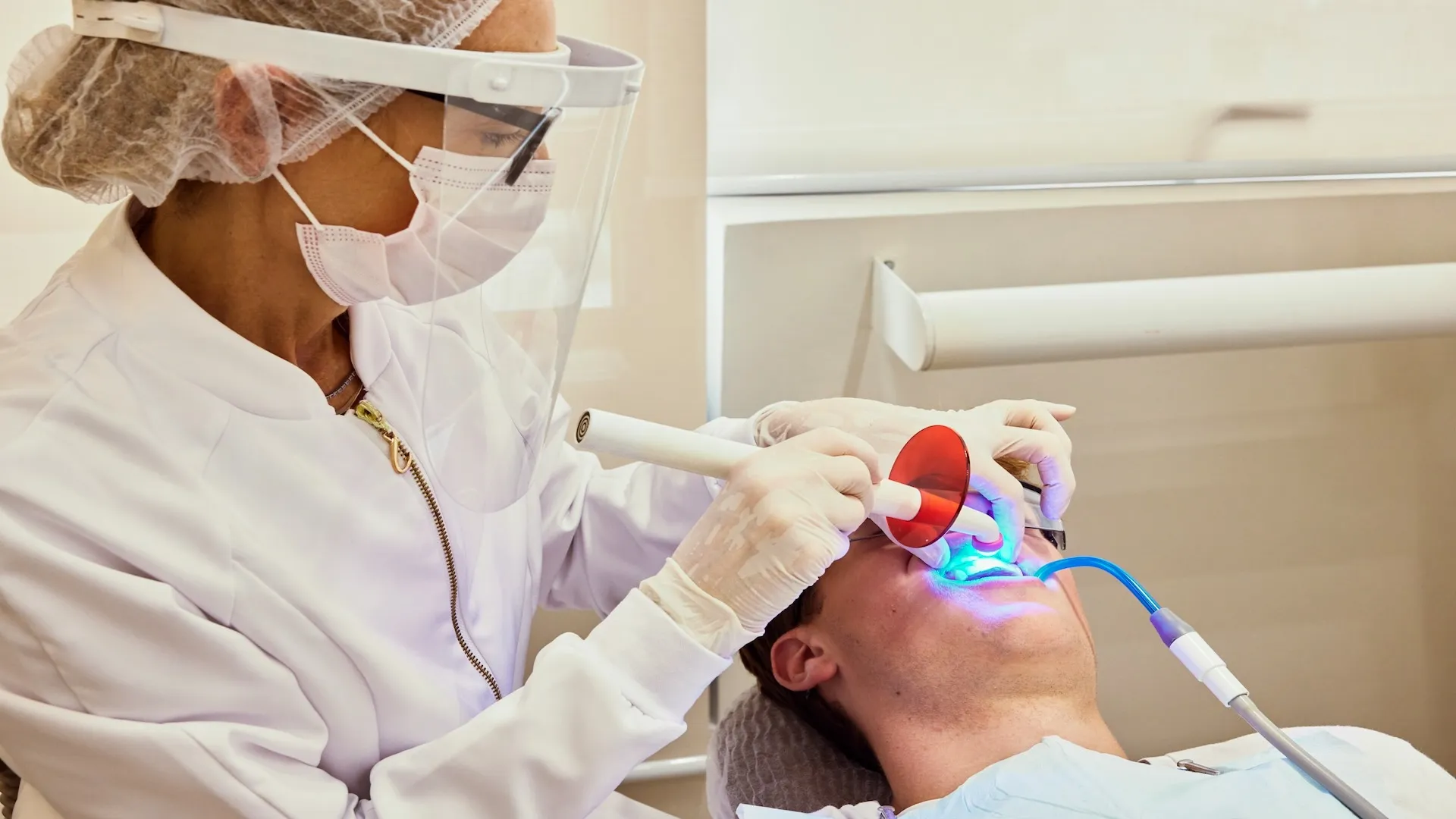
That bright, just-whitened smile feels a bit like getting your car detailed, everything looks crisp, clean, and new. Then real life happens. Coffee, pasta sauce, and busy mornings have a way of creeping back in.
We’re big believers in setting clear expectations: teeth whitening isn’t permanent. Whitening lifts stains and brightens your natural tooth color, but results can fade with time, habits, and the kinds of foods and drinks we all enjoy. The good news is that most fading is preventable, or at least easy to slow down.
People often ask us if professional whitening is really different from store-bought options. In simple terms, yes. In-office whitening is customized to your teeth and sensitivity level, it works faster, it’s closely monitored, and it tends to look more even across the teeth you show when you smile.
At Trinity Dental Services, we help East Brunswick, NJ families keep their results longer with safe, comfortable care. Below, we’ll cover the three moments that matter most: the first 48 hours, daily habits, and smart maintenance with our dental team.
The first 48 hours after whitening: simple rules that protect your new shade
Right after whitening, teeth are more likely to pick up new stains. Think of it like freshly washed white sneakers, they look amazing, but they also show everything if we’re not careful.
Whitening products break up stain molecules, and the enamel surface can be a bit more “grabby” for a short window afterward. That doesn’t mean your teeth are damaged, it just means it’s a smart time to be cautious.
Here’s the easy plan we recommend for the first two days:
- Stick to light-colored foods and drinks when you can.
- Skip the darkest drinks and sauces (we’ll list them below).
- Sip water often, and rinse after meals.
- Be gentle if you feel sensitivity.
If you already deal with sensitive teeth, don’t try to power through discomfort with extra brushing or strong rinses. That can backfire. Our goal in the first 48 hours is simple: protect your shade and keep your teeth calm.
Eat and drink like a “white shirt” rule: what to avoid and what’s safe
We like a simple rule: if it can stain a white shirt, it can stain teeth, especially right after whitening.
Common culprits to avoid for about 48 hours include:
- Coffee and tea
- Red wine
- Cola and dark sodas
- Tomato sauce and salsa
- Curry and turmeric-heavy foods
- Soy sauce and balsamic vinegar
- Dark berries (blueberries, blackberries)
Safer swaps that are usually easier on your shade:
- Water, milk, sparkling water (clear)
- Plain yogurt
- Chicken, turkey, tofu
- Rice, pasta with light sauce, potatoes
- Bananas, peeled apples
A few small tactics help more than people think. If you’re having a cold drink that could stain, use a straw to reduce contact with your front teeth. After meals, rinse with plain water. If you’re out, even a quick swish in the restroom buys you time until you can brush later.
Handle sensitivity the smart way so you don’t undo results
Mild sensitivity after whitening is common. Teeth may react to cold air, cold water, or sweet foods for a short period. That doesn’t mean something went wrong, it means your teeth are responding to the whitening process.
What we usually suggest:
Desensitizing toothpaste: Use it as your main toothpaste for a few days, and brush gently.
Lukewarm water: Skip ice-cold drinks for now.
Soft-bristled brushing: Scrubbing harder won’t keep teeth whiter, it can irritate gums and enamel.
Ease up on acidic foods: Citrus, vinegar, and fizzy drinks can make sensitivity feel worse right after whitening.
If sensitivity is strong, or it lasts more than a few days, we want to hear from you. We can help you figure out what’s normal and what needs a closer look.
Daily habits that keep teeth white without overdoing it
Once you’re past the first two days, you don’t need to live on plain chicken and rice forever. The goal shifts from “avoid everything” to “manage stains” with a routine that fits your life.
Whitening results last longer when we keep teeth clean and reduce the chance for stains to stick. Plaque acts like a soft, sticky layer that holds onto pigments from food and drink. When we keep plaque under control, teeth stay brighter with less effort.
Daily habits also matter because many stains aren’t dramatic. They build slowly, like a tea ring inside a mug. A little pigment every day adds up.
If you want a realistic approach, focus on two things: consistent hygiene and smarter timing.
A daily routine for stain control: brush, floss, rinse, repeat
A simple routine works best when it’s repeatable. Here’s what we recommend to many patients who want to maintain teeth whitening results:
Brush twice a day for two minutes with a soft-bristled toothbrush. Most people rush brushing without realizing it. Two minutes feels long, but it’s where results live.
Floss once a day. Whitening doesn’t brighten between teeth if plaque is sitting there. Flossing also helps gums look healthier, which makes the whole smile look cleaner.
Consider an alcohol-free fluoride rinse if you’re prone to cavities or want extra support. Fluoride helps strengthen enamel, and strong enamel is easier to keep looking polished.
A few “real life” stain habits that help:
- Rinse with water after coffee or tea when brushing isn’t an option.
- If you eat or drink something acidic (citrus, soda, sports drinks), wait about 30 minutes before brushing so enamel has time to re-harden.
- If you snack often, try to keep water nearby. Frequent sipping of water helps wash away pigments.
None of this needs to be perfect. It just needs to be consistent.
Whitening toothpaste, mouthwash, and “DIY hacks”: what helps and what can harm
Whitening toothpaste can help, but we need to be clear about what it does. Most whitening toothpastes mainly remove surface stains, they don’t change tooth color the way professional whitening can. That still matters, because surface stains are usually what makes teeth look dull over time.
What we look for in a toothpaste for stain control:
- Fluoride (for enamel support)
- Low-abrasion formulas
- A feel that doesn’t make your teeth “zing” with sensitivity
What we usually caution people against:
Charcoal pastes and harsh abrasives: Too much abrasion can wear enamel. As enamel thins, teeth can look more yellow because the deeper tooth layer shows through.
Lemon, vinegar, and other acidic “brightening” tricks: Acid softens enamel. Soft enamel stains easier and can feel more sensitive.
Overusing baking soda: It can be useful in some situations, but frequent use can be too rough for some teeth and gums.
Also, not every mouthwash is a good match for every person. Some rinses can irritate dry mouths, and some can contribute to staining in certain cases. If you’re unsure what to use, we can point you toward options that fit your teeth, gums, and sensitivity.
Long-term maintenance: how we keep whitening results for months (and sometimes years)
Long-lasting whitening results come down to two realities: what we do at home, and how we maintain things professionally.
Diet plays a role. Coffee, tea, red wine, and deeply colored sauces will always stain to some degree. Tobacco stains faster and more heavily. Even if we have excellent brushing habits, stains still build up over time, which is why professional cleanings matter.
Regular dental exams and cleanings help us remove stain and tartar that home care can’t touch. They also help us spot issues early. If there’s a cavity, a cracked filling, or gum inflammation, whitening maintenance becomes harder and more uncomfortable.
When it’s time for a touch-up, we keep it predictable. At Trinity Dental Services, our professional whitening visits typically include checking your current shade and talking through your goal, protecting your gums and soft tissue, applying a professional-grade whitening gel, monitoring the process, and sending you home with clear aftercare steps.
We’ve been serving East Brunswick since 2010, and our focus is calm, pain-minimized dentistry for patients of all ages. Our team also speaks English and Arabic, which helps many local families feel more at ease during appointments. If cost is part of the decision, we can also discuss payment options, including financing through Sunbit and other ways to plan ahead.
Set a touch-up plan based on your habits, not a one-size schedule
Some people keep their shade for a long time with minimal effort. Others see stains return faster, and it’s not because they did anything wrong.
Habits that often mean faster restaining include:
- Daily coffee or tea
- Frequent red wine
- Tobacco use
- A love of dark sauces and spice-heavy foods
As a general range, many people consider touch-ups about every 6 to 18 months, but there’s no single schedule that fits everyone. Sensitivity matters too. If your teeth react easily, we may recommend a gentler approach and a different pace.
The best plan is personal. When we know your habits and how your teeth respond, we can help you maintain whitening results without pushing your teeth too hard.
Why professional whitening touch-ups stay safer and more even
Professional touch-ups tend to work better for a few practical reasons. We can customize the plan, use stronger whitening materials in a controlled way, and watch the color shift in real time. That usually means faster results and a more even look across the teeth you show when you smile.
We also take steps that are tough to replicate at home, like protecting the gums before whitening gel goes on, and adjusting the process if sensitivity shows up. When whitening is monitored by a dental team, we can keep things comfortable and reduce the chance of uneven whitening or irritated gums.
If your whitening results were uneven in the past, or you’ve had sensitivity with over-the-counter products, professional touch-ups are often a smoother experience.
Teeth whitening questions we hear all the time (with clear answers)
FAQ 1: How long do teeth whitening results usually last?
Results vary, but many people enjoy a brighter smile for months to over a year. It depends on habits like coffee, tea, red wine, and tobacco, plus daily brushing and flossing. Regular cleanings and occasional touch-ups help results last longer.
FAQ 2: Can I drink coffee after whitening?
For the first 48 hours, we suggest skipping coffee if you can. After that, you can drink it, but try rinsing with water right after. If you prefer iced coffee, a straw can reduce contact with front teeth. Cleanings also help manage stains.
FAQ 3: What foods stain teeth the most?
Dark drinks and richly colored foods stain the most. Coffee, tea, red wine, cola, curry, tomato sauce, soy sauce, and berries are common examples. A simple guide helps: if it can stain fabric, it can stain teeth, especially after whitening.
FAQ 4: Is teeth whitening safe for sensitive teeth?
It can be, especially when we tailor whitening to your sensitivity level and monitor you during treatment. We also protect your gums during professional whitening. At home, use desensitizing toothpaste and brush gently. Call us if pain is strong or lasts more than a few days.
FAQ 5: Do whitening toothpastes really work?
They can help remove surface stains, which keeps teeth looking brighter between cleanings and touch-ups. They usually don’t change deep tooth color like professional whitening. Look for fluoride and gentle formulas. Avoid overly abrasive pastes that can wear enamel over time.
FAQ 6: When should I choose veneers instead of whitening?
Whitening works best for natural enamel stains. Veneers may be a better fit if you want to fix chips, uneven shape, gaps, or deep discoloration that doesn’t respond well to whitening. We can review your options and goals during a cosmetic consultation.
Conclusion
Keeping whitening results isn’t about being perfect, it’s about being steady. We get the best long-term outcomes when we protect the first 48 hours, stick to consistent daily habits, and set a maintenance plan with a dentist who knows our teeth and sensitivity.
If you want help maintaining your brighter smile, we can create a personalized plan that fits your routine, not the other way around. For professional teeth whitening consultations and touch-ups in East Brunswick, NJ, schedule a visit with Trinity Dental Services. We’ll focus on comfortable care, even results, and clear aftercare guidance, and we can also talk through payment options if that’s part of your planning.
Can Save Your Tooth
An infected root canal isn't something you can just ignore. You will need an endodontic procedure to remove the infection and reseal your root canals.
While a dental crown is often needed to protect the tooth after treatment, if you see us early enough you might only need a filling to protect your tooth. A timely appointment can also prevent your infection from advancing, which can lead to more extensive damage — or even the need for a dental extraction.
Our dentists' goal will always be to protect and preserve your tooth. Let us help, starting with a consultation.

New Brunswick Patients


During Root Canal Treatment?
You don't need to find an East Brunswick endodontist to treat your infected root canal, because Trinity Dental Services proudly offers root canal therapy among our comprehensive dental services.
1. Consultation
First, our dentists will take X-rays of your smile and assess your tooth. They will only plan a procedure if it's truly necesary.
First, our dentists will take X-rays of your smile and assess your tooth. They will only plan a procedure if it's truly necesary.
2. Local Anesthetic
When it comes time for your dental procedure, our dentist will apply local anesthetic to thoroughly numb the treatment site and keep you fully comfortable.
3. Tooth Treatment
Our dentist will make an opening in your enamel. Then, she will clean your tooth roots, removing your infected blood vessels and pulp.
4. Final Touches
Once the bacteria and affected pulp is gone, she will seal your tooth roots. She will also fortify your tooth with a filling or crown.
East Brunswick Office
63 W Prospect St #1
East Brunswick, NJ 08816
Our Office Hours
Mon. 10:00am - 7:00pm
Tue. 10:00am - 7:00pm
Wed. 10:00am - 7:00pm
Thu. 10:00am - 7:00pm
Fri. 10:00am - 7:00pm
Sat. 10:00am - 5:00pm
Sun. Closed