
Teeth Whitening Before and After: Real Results You Can Expect
You can't just wait out an infected root canal. Only root canal therapy can solve your problem. Fortunately, you've found a dentistry team that can help: Trinity Dental Services in East Brunswick, NJ. With prompt treatment, you can find relief from your pain and restored oral health.
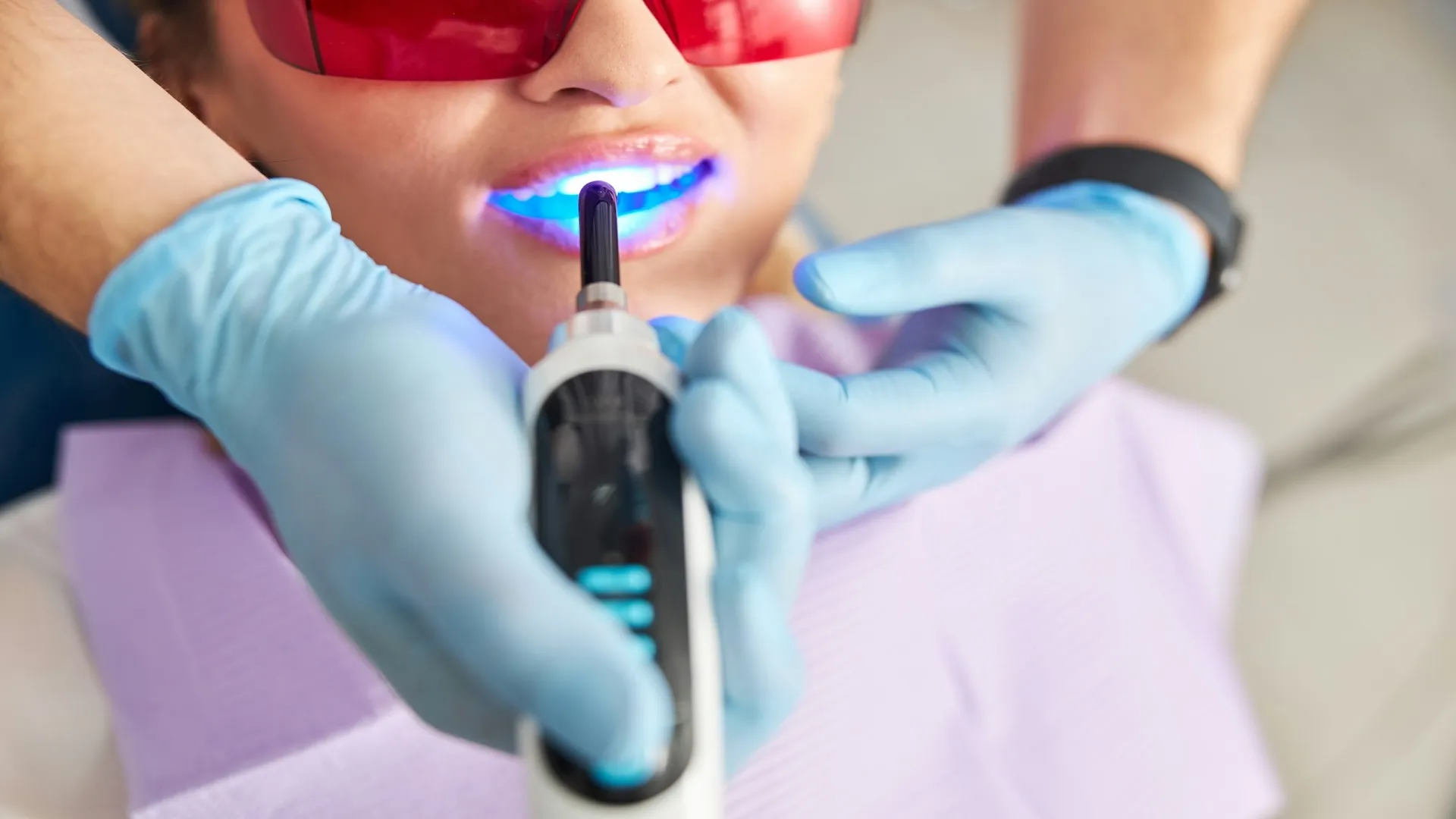
A brighter smile can feel like turning on a light in a room. But teeth whitening before and after photos online can set people up for the wrong idea, like every smile should end up paper-white in one appointment.
Real whitening results depend on a few things: your starting tooth shade, what caused the stains (coffee, wine, smoking, aging), and which method you use. Some people see a clear change fast, others need a slower plan to avoid sensitivity or uneven color.
A dental office can help you choose the safest option for your teeth, check your gums first, and guide you through aftercare. That matters, because the best “after” isn’t just whiter, it’s even, comfortable, and natural-looking.
What “Before and After” Teeth Whitening Results Really Look Like
Most people notice the change in the same way. Their teeth look brighter overall, the yellow tone softens, and the smile looks fresher in photos. The shift is often most obvious on the front teeth, since that’s where stains build up and where you see the biggest impact day to day.
Whitening also tends to make your teeth look cleaner, even if you already brush well. Think of it like washing a white T-shirt that’s slowly turned off-white over time. You don’t always notice the change until you compare it side by side.
That said, whitening is not a magic paint job. It works on natural tooth structure, mainly the enamel and the layer underneath it (dentin). If your “before” shade is already light, your “after” may be subtle. If your teeth are deeply yellow or stained from years of coffee or smoking, the change may be more dramatic, but still within a natural range.
Photos, lighting, and why shade checks matter
Before and after photos can be tricky. Bathroom lighting, phone cameras, filters, and even the color of your shirt can change how white teeth look. One photo might make your smile look two shades brighter than it is, another might make it look dull.
In a dental setting, dentists often compare tooth color using a shade guide and photos taken under consistent lighting. That helps set realistic expectations and track progress in a way that’s more reliable than selfies alone.
Common stains that whiten well (coffee, tea, wine, smoking)
Some stains respond really well to whitening, especially stains that sit on or near the surface.
- Coffee and tea stains: These often leave yellow or brown tones that lighten well with professional whitening or supervised take-home trays.
- Red wine: Wine can cause darker stains that cling to enamel. Whitening can still help, but you’ll usually get better results when you also reduce buildup with a cleaning first.
- Smoking or tobacco: Nicotine and tar can cause stubborn discoloration. Whitening often improves the shade, but heavy stains may take longer and require touch-ups.
A good brushing routine and regular cleanings remove plaque and tartar, which helps your teeth look brighter. Whitening targets the leftover color inside the enamel that brushing can’t fully erase.
Limits of whitening, what it cannot fix
Whitening has clear limits, and knowing them prevents disappointment.
- Fillings, crowns, veneers, and bonding won’t whiten. If you have dental work on front teeth, whitening can make natural teeth lighter while restorations stay the same color.
- Uneven results can happen if you have bonding on one tooth, or if a tooth has different enamel thickness.
- Very dark internal stains (gray or brown discoloration, stains from trauma, or certain medications) may not respond much to whitening alone.
If you have crowns on your front teeth, talk with your dentist before whitening. Sometimes the best plan is to whiten first, then replace a visible restoration to match your new shade.
Professional Whitening vs Store Bought Kits, Which Gives Better Before and After Results?
If you want better before and after results, the method matters as much as the product. Whitening options usually fall into three categories: in-office whitening, dentist-supervised take-home trays, and over-the-counter strips or gels.
Over-the-counter kits can work for mild stains, especially if your teeth are already fairly light. They’re also easy to start without an appointment. The downside is that the fit is generic, the instructions can be easy to misread, and sensitivity can catch you off guard.
Professional whitening and supervised take-home trays cost more, but the process is more controlled. A dental team can check for cavities or gum inflammation first, confirm you’re a good candidate, and give clear instructions so you don’t end up with sore gums or patchy results. Patient comfort also matters. A calm office environment, clear communication, and small touches like TVs or noise-cancelling headphones can make the whole visit feel easier, especially if dental visits usually stress you out.
Here’s a simple comparison:
Whitening optionBest forTypical paceMain tradeoffIn-office whiteningFast visible changeSame dayShort-term sensitivity is more commonCustom take-home trays from a dentistEven, controlled whiteningDays to weeksTakes consistencyOver-the-counter strips/kitsMild stains, small boostDays to weeksFit and comfort vary, uneven color risk
In-office whitening, fastest change in one visit
In-office whitening is built for people who want a noticeable change quickly. A typical visit includes an exam, then gum protection, then whitening gel applied in short sessions. Your dentist may re-apply gel a few times in the same appointment, depending on your teeth and goals.
Some patients see a big change right away. Others notice that the shade settles over the next week or two. The most common downside is temporary sensitivity, especially in the first 24 to 48 hours.
A dental team can also guide you on how to handle sensitivity, like using a desensitizing toothpaste before and after your visit, or choosing a slower plan if your teeth react easily.
Custom take-home trays, steady results with more control
Custom take-home trays are often the sweet spot for people who want a natural-looking change with less risk of irritation. These trays are made from a digital scan or impressions, so they fit your teeth closely. That fit helps the gel stay where it should, instead of washing onto your gums.
Take-home whitening is also more flexible. You can whiten gradually, track your shade, and stop when you reach a look you like. Consistency matters a lot here. Wear time and instructions make the difference between “barely changed” and “wow, that’s brighter.”
Follow-ups help too. If one tooth lags behind, or you want a slightly lighter shade, your dentist can adjust the plan instead of guessing at home.
Your Whitening Timeline, What to Expect From Day 1 to Long Term Results
Whitening works best when you treat it like a short project with a maintenance plan, not a one-time event. Here’s a realistic timeline that matches what many patients experience.
Before whitening: exam, cleaning, and a quick health check
Before any whitening, a dental exam matters. Cavities, gum irritation, and exposed roots can make whitening uncomfortable. A cleaning can also improve results, because removing tartar and plaque helps the whitening gel contact the enamel evenly.
If you’re whitening for a big event, plan ahead. It’s smart to schedule whitening several weeks before your date, not two days before, so your shade has time to settle.
First 48 hours: sensitivity and the “stain soak” window
The first two days are when sensitivity is most likely. Some people feel quick zaps from cold air or drinks. For most, it fades fast.
This is also when teeth can pick up stains more easily. Many dentists suggest avoiding dark foods and drinks for a short period after whitening, especially after in-office treatment.
Quick, practical tips for the first 48 hours:
- Do drink water often, it helps rinse pigments away.
- Do use a sensitivity toothpaste if you’re prone to zings.
- Don’t sip coffee or red wine all day, even if you use a straw.
- Don’t smoke, it can stain quickly after whitening.
First 2 weeks: shade settles and looks more natural
A common surprise is that teeth can look extra bright right after whitening, then soften slightly. That doesn’t mean it “wore off.” It’s often the shade stabilizing after dehydration from the whitening process.
If you’re using take-home trays, this is usually the phase where you see steady improvement. Photos taken at the same time of day, in the same light, can help you notice the true change.
Long-term maintenance: keeping the “after” look
Whitening isn’t permanent, because staining habits don’t stop. The goal is to slow the fade and plan touch-ups instead of starting from scratch each time.
Most people do best with small touch-ups as recommended by their dentist, plus simple habit changes.
How to prep for better before and after photos and better results
A little prep can make your results look more even and your photos more accurate.
- Schedule a professional cleaning first if you’re due.
- Brush twice a day and floss daily for at least two weeks before starting.
- Treat cavities or gum irritation first, don’t whiten over problems.
- Pick a goal shade that looks natural with your skin tone and smile.
For photos, use the same spot, same lighting, and no filters. Consistency beats perfection.
Keeping your smile bright longer (habits, touch-ups, and sensitivity tips)
Small habits add up.
Use a straw for iced coffee: It reduces contact with front teeth.
Rinse with water after staining drinks: A quick swish helps.
Wait 30 minutes after acidic drinks to brush: Acid softens enamel a bit, brushing right away can be rough.
Use sensitivity toothpaste: Especially during whitening weeks.
Ask about touch-up timing: Your dentist can recommend a schedule based on your stain risk and starting shade.
Are You a Good Candidate for Teeth Whitening? Safety, Comfort, and Next Steps
Most healthy adults can whiten safely, but the best results come when your mouth is in good shape first. Dentists often look for the same basics before cosmetic treatment: no active tooth decay, no gum disease, and no untreated sensitivity.
You might be a good candidate if you:
- Have yellow or light brown staining from food, drinks, or smoking
- Can keep up with brushing and daily flossing
- Want a brighter smile that still looks natural
Some people need extra planning. Teens may need to wait until teeth finish developing, depending on age and sensitivity risk. If you’re pregnant or nursing, many dentists recommend postponing whitening and focusing on cleanings and home care for now. If you have very sensitive teeth, a slower take-home plan may feel better than a same-day treatment.
Comfort matters too. A family dental office that explains each step, checks in often, and offers simple amenities can make whitening feel low-stress. Patients often comment on the difference a kind, kid-friendly team can make, from the waiting room experience to checkout, because a calm vibe isn’t just for kids, it helps adults too.
Cost planning is part of the conversation. Many insurance plans don’t cover whitening, since it’s cosmetic. Some offices offer third-party financing (like Sunbit) or an in-office dental plan that helps with preventive care and discounts on other services.
When to avoid whitening and treat the cause first
Pause whitening and book an exam if you have:
- Tooth pain or lingering sensitivity
- Cavities or broken fillings
- Gum inflammation or bleeding
- Worn enamel or exposed roots
- Dark spots that look like decay
Whitening over these issues can make discomfort worse, and it can hide the real problem for a while. An exam helps you get safe, even results that last.
Conclusion
Real before and after teeth whitening results look brighter, cleaner, and more even, not fake-white or perfect. Your starting shade, the type of stain, and the method you choose all shape what’s possible, and whitening can’t change crowns, veneers, or old fillings.
If you want the best outcome, focus on two things: choose a whitening plan that matches your teeth, and protect your results with simple habits and touch-ups. The “after” smile is easier to keep when your gums and enamel stay healthy.
Ready to see what whitening can do for your smile? Schedule a whitening consultation at a family-friendly dental office in East Brunswick, NJ, like Trinity Dental Services, and ask which option fits your teeth, comfort level, and budget.
Can Save Your Tooth
An infected root canal isn't something you can just ignore. You will need an endodontic procedure to remove the infection and reseal your root canals.
While a dental crown is often needed to protect the tooth after treatment, if you see us early enough you might only need a filling to protect your tooth. A timely appointment can also prevent your infection from advancing, which can lead to more extensive damage — or even the need for a dental extraction.
Our dentists' goal will always be to protect and preserve your tooth. Let us help, starting with a consultation.

New Brunswick Patients


During Root Canal Treatment?
You don't need to find an East Brunswick endodontist to treat your infected root canal, because Trinity Dental Services proudly offers root canal therapy among our comprehensive dental services.
1. Consultation
First, our dentists will take X-rays of your smile and assess your tooth. They will only plan a procedure if it's truly necesary.
First, our dentists will take X-rays of your smile and assess your tooth. They will only plan a procedure if it's truly necesary.
2. Local Anesthetic
When it comes time for your dental procedure, our dentist will apply local anesthetic to thoroughly numb the treatment site and keep you fully comfortable.
3. Tooth Treatment
Our dentist will make an opening in your enamel. Then, she will clean your tooth roots, removing your infected blood vessels and pulp.
4. Final Touches
Once the bacteria and affected pulp is gone, she will seal your tooth roots. She will also fortify your tooth with a filling or crown.
East Brunswick Office
63 W Prospect St #1
East Brunswick, NJ 08816
Our Office Hours
Mon. 10:00am - 7:00pm
Tue. 10:00am - 7:00pm
Wed. 10:00am - 7:00pm
Thu. 10:00am - 7:00pm
Fri. 10:00am - 7:00pm
Sat. 10:00am - 5:00pm
Sun. Closed