
The Importance of Saving Natural Teeth: Insights from Your East Brunswick Dentist
You can't just wait out an infected root canal. Only root canal therapy can solve your problem. Fortunately, you've found a dentistry team that can help: Trinity Dental Services in East Brunswick, NJ. With prompt treatment, you can find relief from your pain and restored oral health.
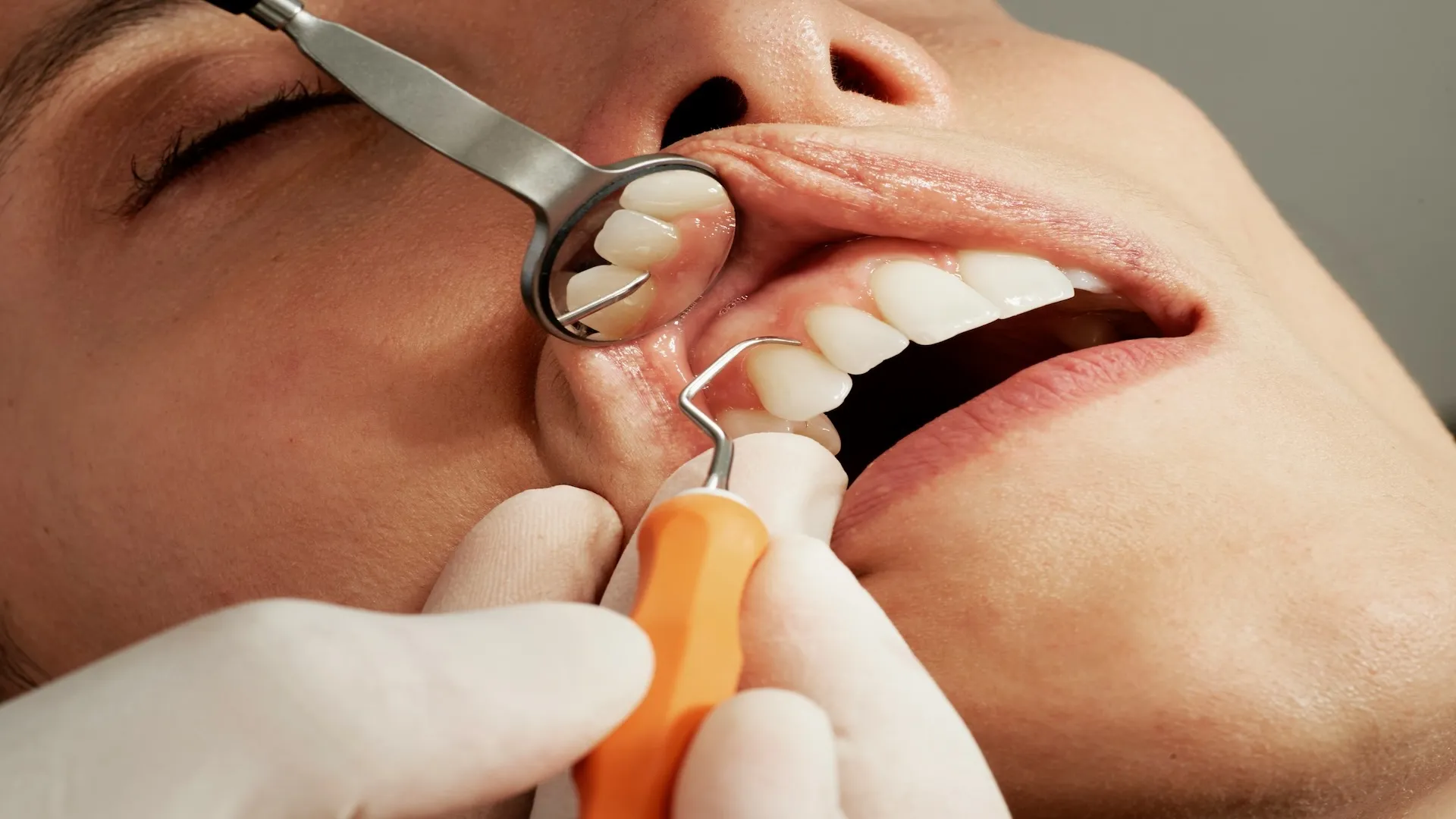
Your natural teeth were built to last. When you can keep them, you usually protect your health, your comfort, and your budget at the same time. A real tooth has a “just right” feel that’s hard to copy, even with excellent modern dentistry.
Saving teeth also isn’t only about looks. Problems like crooked or crowded teeth can make brushing and flossing harder, which can raise your risk of cavities and gum disease. And when your bite doesn’t fit well, you might notice uneven wear or jaw tension over time.
This post explains what it means to “save a tooth,” why dentists often start with conservative options, when removal is truly the safer choice, and how families in East Brunswick can lower the chances of tooth loss in the first place.
Why saving natural teeth matters more than most people think
When a tooth is damaged, it’s tempting to think, “Just take it out and replace it.” But your natural tooth has a built-in connection to the tissues around it, and that relationship matters every day, not just at the dentist.
Keeping a tooth often helps you avoid a chain reaction. One missing tooth can lead to shifting, tilting, and bite changes. That can make it harder to clean between teeth, and it can also change how your teeth meet when you chew.
There’s also a money side to this. A tooth that’s repaired with a filling or crown can be more affordable long term than removal plus replacement. Replacement can work well, but it usually involves more appointments and more parts that need care.
Natural teeth chew better and help you speak clearly
Your teeth are like the “gears” of your mouth. When they line up and touch the way they’re meant to, chewing feels easy and steady. When a tooth is missing, the gears don’t mesh the same way.
A saved tooth, even if it needed a filling, a crown, or a root canal, often feels more natural than a replacement. That’s because it keeps its place in your bite and supports the way your mouth already moves.
Speech can change too. Teeth help guide your tongue and airflow for sounds like “s,” “f,” and “th.” A missing tooth or a changing bite can subtly affect clarity, especially if gaps are in the front or if multiple teeth are missing.
Over time, tooth loss can also change how your smile sits. Teeth next to the space may drift, and the opposing tooth may move into the gap. That shifting can make the original “one tooth problem” turn into a larger bite problem.
Keeping teeth can support gum health and jaw comfort
Healthy gums like stable teeth. When teeth shift or overlap, it’s easier for plaque to hide in tight spots. That can irritate gums and raise the risk of gum disease. Saving a tooth, and keeping the bite stable, can make daily cleaning simpler.
Bite balance can also affect jaw comfort. If teeth don’t meet evenly, some teeth take more pressure than they should. That strain can travel to the jaw joints (the TMJs). In some people, it may contribute to jaw soreness, clicking, or headaches. It’s not a promise that fixing a bite will “cure” those issues, but a healthier bite can remove one common source of stress.
Think of it like a table with one leg shorter than the others. The wobble doesn’t always break the table right away, but it does create stress in all the wrong places.
How dentists in East Brunswick try to save teeth first (and what these treatments do)
Tooth-saving care is usually about one goal: remove the problem, protect what’s left, and get you back to comfortable chewing. At a family practice like Trinity Dental Services in East Brunswick, that also means explaining choices in plain language and keeping the experience calm, especially for patients who feel nervous.
A “save first” plan may include repairing decay, reinforcing a weak tooth, treating infection, or improving alignment so teeth are easier to clean and less likely to wear down.
Common tooth-saving treatments: fillings, crowns, and root canals
Fillings are often the first step when a cavity is small or mid-sized. The dentist removes the decayed part of the tooth and seals the area with a durable material. The goal is simple: stop the cavity from growing and restore a smooth surface that’s easy to brush.
Crowns are used when a tooth is cracked, heavily filled, or worn down and needs extra strength. A crown covers the tooth like a protective helmet. It helps the tooth handle biting forces again, which can prevent a small crack from turning into a full break.
Root canal treatment is for teeth with an infected or inflamed nerve (often felt as strong lingering pain, swelling, or sensitivity that doesn’t settle). A root canal removes the infected tissue inside the tooth, cleans the space, and seals it. The tooth is then restored so you can chew normally. Many people fear root canals because of old stories, but modern numbing and careful technique make the visit much more manageable than its reputation.
What matters most is timing. If you treat decay or a crack early, you often avoid bigger procedures later. Waiting can turn a repairable tooth into a tooth that can’t be saved.
Comfort counts too. A calm setting, clear communication, and simple options like music, TVs, and noise-cancelling headphones can make it easier to get care before a problem becomes an emergency.
Aligning your bite can help protect teeth from wear and gum problems
Saving teeth isn’t only about fixing damage. Sometimes it’s about removing the conditions that cause damage again and again.
When teeth are crooked or crowded, brushing and flossing can feel like trying to clean between stacked books. It’s easy to miss spots, which can raise the risk of cavities and gum disease. Closing gaps and easing crowding can make home care more effective.
Bite problems can also strain teeth and the jaw. If your bite is off, some teeth may hit too early or too hard. Over time, that can lead to chips, uneven wear, and sensitivity. In some cases, it may also add stress to the TMJs.
For many mild to moderate concerns, clear aligners are a practical option. At Trinity Dental Services, SureSmile clear aligners are one system used to straighten teeth with a series of smooth, removable trays. People often like aligners because they’re discreet, and there are no metal brackets or wires.
Clear aligners may help with:
- Crooked teeth
- Crowding
- Gaps
- Overbite or underbite
- Crossbite
- Open bite
Aligners only work if you wear them. Most plans require about 20 to 22 hours a day, taking them out for meals and drinks (besides water). Many patients switch to the next set of trays every two to four weeks, and checkups are often scheduled about every four to six weeks so your dentist can track progress. Treatment length varies, but many people finish in roughly 12 to 18 months, then wear a night retainer to help keep teeth in place.
A few simple habits keep aligners and teeth in good shape:
- Remove aligners to eat: Store them in a case, rinse before putting them back.
- Clean aligners daily: Use mild soap and a soft brush with cool or warm water (hot water can warp trays).
- Brush and floss normally: Brush twice a day, floss daily, especially before reinserting trays.
When a tooth can’t be saved (and removal is the safer choice)
Dentists don’t push extra treatment just to “keep a tooth at all costs.” Sometimes removal is the healthiest option.
A tooth may need to come out if it’s severely broken below the gumline, if there’s not enough healthy structure left to support a crown, or if infection and bone loss are too advanced to stabilize. In other cases, a tooth may be so loose from gum disease that saving it won’t give you a reliable bite.
The best next step depends on your mouth and your goals. A trusted East Brunswick dentist should walk you through what’s possible, what’s predictable, and what each option costs over time. If replacement is needed, planning matters, because the goal is still the same: protect your bite and keep the rest of your teeth healthy.
How East Brunswick families can prevent tooth loss in daily life
Most tooth loss starts with small problems that were easy to miss. Prevention is less about perfect habits and more about steady ones.
Keep routine visits on the calendar. Regular exams and cleanings help catch cavities and gum irritation early, before they turn into pain or swelling. They also give you a chance to ask questions when the stakes are low.
Don’t ignore bleeding gums. Bleeding when brushing or flossing often points to gum inflammation. Treating it early can prevent the deeper kind of gum disease that threatens tooth support.
Watch for “quiet” bite issues. If you’ve got crowding, shifting, or frequent chipping, ask about alignment. Straightening teeth can improve cleaning access and reduce uneven wear.
Use protection when it makes sense. Night guards can help if you clench or grind. Mouthguards matter for sports. These small tools can prevent cracks that are hard to repair.
If cost is a worry, ask the office about insurance checks and financing options, along with in-office plans that can make preventive care easier to fit into a family budget.
Conclusion
Saving natural teeth is usually the simplest way to protect your bite, your comfort, and your long-term oral health. With early care, many teeth can be repaired with a filling, crown, or root canal, and bite correction with clear aligners can reduce the wear and cleaning challenges that lead to problems later. If you’re in East Brunswick and you’re worried about a tooth, don’t wait for it to get louder. A clear plan, calm care, and a focus on saving what can be saved can keep your smile strong for years.
Can Save Your Tooth
An infected root canal isn't something you can just ignore. You will need an endodontic procedure to remove the infection and reseal your root canals.
While a dental crown is often needed to protect the tooth after treatment, if you see us early enough you might only need a filling to protect your tooth. A timely appointment can also prevent your infection from advancing, which can lead to more extensive damage — or even the need for a dental extraction.
Our dentists' goal will always be to protect and preserve your tooth. Let us help, starting with a consultation.

New Brunswick Patients


During Root Canal Treatment?
You don't need to find an East Brunswick endodontist to treat your infected root canal, because Trinity Dental Services proudly offers root canal therapy among our comprehensive dental services.
1. Consultation
First, our dentists will take X-rays of your smile and assess your tooth. They will only plan a procedure if it's truly necesary.
First, our dentists will take X-rays of your smile and assess your tooth. They will only plan a procedure if it's truly necesary.
2. Local Anesthetic
When it comes time for your dental procedure, our dentist will apply local anesthetic to thoroughly numb the treatment site and keep you fully comfortable.
3. Tooth Treatment
Our dentist will make an opening in your enamel. Then, she will clean your tooth roots, removing your infected blood vessels and pulp.
4. Final Touches
Once the bacteria and affected pulp is gone, she will seal your tooth roots. She will also fortify your tooth with a filling or crown.
East Brunswick Office
63 W Prospect St #1
East Brunswick, NJ 08816
Our Office Hours
Mon. 10:00am - 7:00pm
Tue. 10:00am - 7:00pm
Wed. 10:00am - 7:00pm
Thu. 10:00am - 7:00pm
Fri. 10:00am - 7:00pm
Sat. 10:00am - 5:00pm
Sun. Closed