
Understanding the Different Types of Dental Implants Offered by Our East Brunswick Practice
You can't just wait out an infected root canal. Only root canal therapy can solve your problem. Fortunately, you've found a dentistry team that can help: Trinity Dental Services in East Brunswick, NJ. With prompt treatment, you can find relief from your pain and restored oral health.
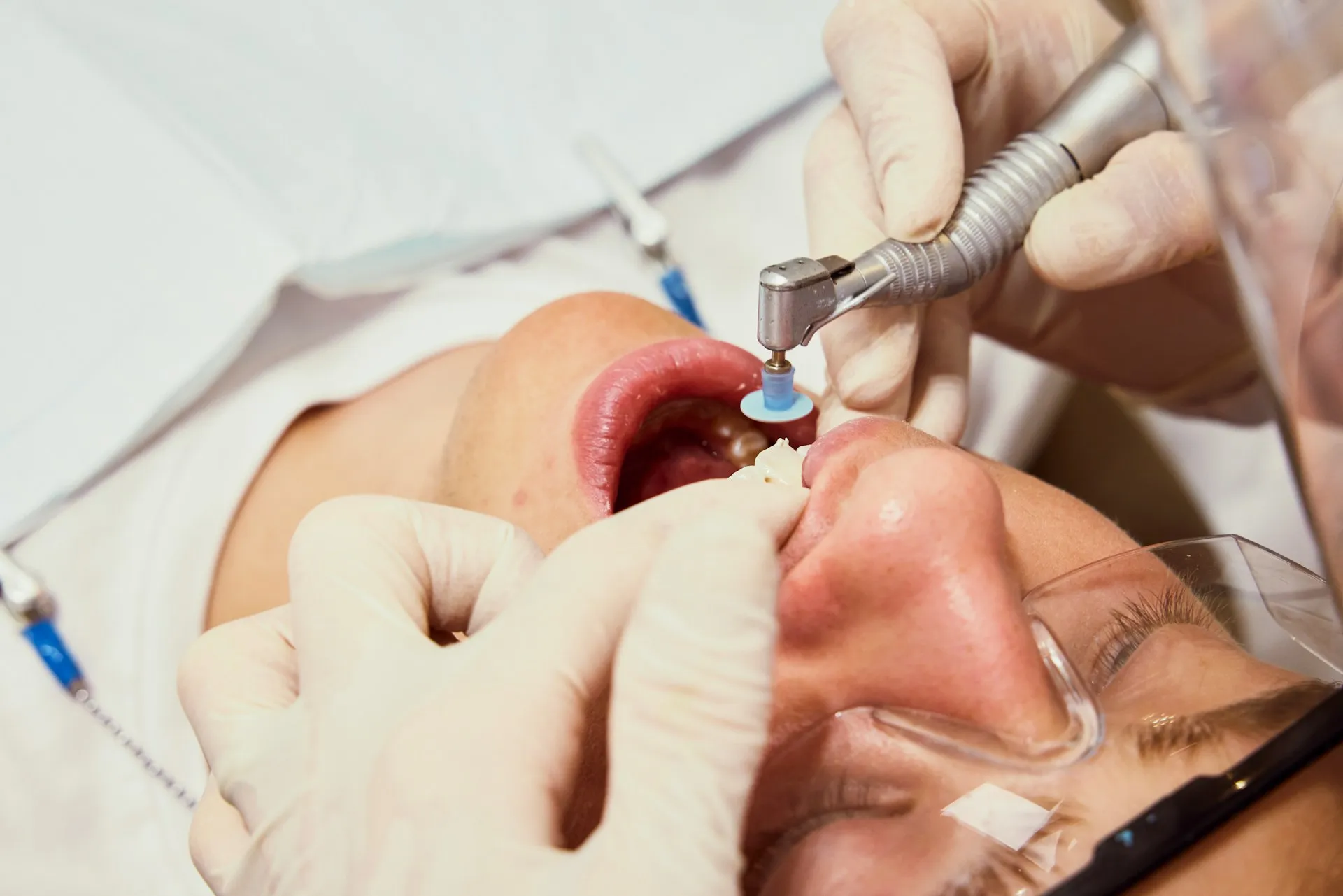
Missing teeth affect more than your smile. They change how you chew, speak, and feel in social settings. Over time, gaps can also lead to shifting teeth, jawbone loss, and bite problems that cause pain.
Dental implants give East Brunswick patients a strong, natural-looking way to replace lost teeth. At Trinity Dental Services, there is more than one type of implant solution, and that can feel confusing at first. This guide breaks each option down in simple terms so you know what fits your mouth, your goals, and your lifestyle before you ever step into the office.
What Are Dental Implants and Why Do East Brunswick Patients Choose Them?
A dental implant is a small post that acts like a new tooth root. It is usually made of titanium, a metal that works well with the body. The dentist places the post in your jaw, the bone grows around it, and then a crown, bridge, or denture connects on top.
So when people say "dental implant," they often mean the whole setup: the post in the bone, the connector part, and the visible tooth or teeth on top. Once treatment is complete, the implant feels stable when you bite and looks a lot like a natural tooth.
For daily life, patients care about simple things:
- Strong chewing so food feels easy again
- Clear speech without slipping dentures
- A natural look that blends with the rest of the smile
- Support for jawbone health where teeth used to be
- Stable neighboring teeth that stay in place
At Trinity Dental Services, the doctors focus on long-lasting, health-focused care. Just as they use clear aligners to straighten teeth and protect the bite, they use implants to keep your mouth healthier, make hygiene easier, and lower strain on the jaw joints.
How Dental Implants Help Your Oral Health, Smile, and Comfort
Straight, well-spaced teeth are easier to clean. Implants work in a similar way. When a gap is filled with a properly shaped replacement tooth, brushing and flossing are more effective. That helps lower the risk of gum disease and decay around the area. An implant also helps slow down bone loss in the jaw, which often starts after a tooth is removed.
Implants also help your smile look even and complete. A single implant crown or an implant bridge fills spaces so other teeth do not tip or drift. That balance is similar to the way clear aligners line up crooked teeth and close gaps to give a more uniform look.
Comfort may be the benefit patients feel most. A stable implant-supported bite spreads chewing forces more evenly. That can reduce stress on the jaw joints and the muscles around them. For some people, this means fewer headaches, less jaw soreness, and easier chewing, much like the relief patients feel after aligner treatment corrects a bad bite.
Single, Multiple, and Full Mouth Implants: Which Option Matches Your Needs?
Different smiles need different solutions. Some patients come in with one missing tooth from a sports injury. Others have several teeth in a row that failed over time. Some have worn dentures for years and are tired of slipping and sore spots.
At Trinity Dental Services in East Brunswick, the main implant options fall into three groups:
- Single tooth implants
- Implant-supported bridges
- Implant-supported dentures for many or all missing teeth
Here is a quick overview before we look at each in more detail.
Implant optionBest forMain benefitSingle tooth implantOne missing toothReplaces only the lost tooth, not the restImplant-supported bridgeSeveral teeth missing in a rowFewer implants to replace multiple teethImplant-supported dentureMany or all teeth missing in an archMuch more stable than a regular denture
Single Tooth Implants for One Missing Tooth
If you are missing a single tooth, a dental implant with a custom crown is often the most natural replacement. The dentist places one implant post in the gap. After the bone heals around it, a connector piece and a custom-made crown are attached.
The crown is shaped and shaded to match your other teeth. From normal speaking distance, most people cannot tell which tooth is the implant. Since the new tooth stands on its own, the dentist does not have to grind down neighboring teeth the way a traditional bridge might.
This option is a good fit if you lost a tooth due to:
- Deep decay
- Injury or accident
- A failed root canal or cracked tooth
A single implant also helps keep the teeth on either side from tipping into the gap, which protects your bite. In the same way that clear aligners keep teeth in neat rows, an implant holds space so the rest of the smile stays lined up.
Implant-Supported Bridges for Several Missing Teeth in a Row
If you are missing two, three, or even four teeth in a row, an implant-supported bridge can be a smart choice. Instead of placing an implant for every missing tooth, the dentist uses fewer posts as anchors, then connects a custom bridge to them.
For example, two implants might support a three-tooth bridge. The middle tooth in the bridge is not attached to its own implant but still feels solid when you chew.
Patients like implant-supported bridges because:
- Nearby healthy teeth stay untouched
- The bite is stronger than with a removable partial denture
- The smile looks full again with no obvious gaps
Good candidates for this option can keep up with home care and regular dental visits. This is similar to clear aligner treatment, where success depends on wearing the trays as directed and coming in for checkups. With an implant bridge, you brush and floss every day and see the dentist for cleanings and exams so the gums and bone stay healthy.
Implant-Supported Dentures for Many or All Missing Teeth
When most or all teeth are missing in the upper or lower jaw, implant-supported dentures can give a big boost in comfort and confidence. Unlike a regular denture that sits only on the gums, this type of denture snaps or locks onto a handful of implants placed in the jaw.
You might have 4 to 6 implants in one arch that hold a full set of teeth. The denture can be:
- Removable by you, snapping on and off the implants
- Fixed in place, only removed by the dentist when needed
Patients often notice big changes right away:
- Food is easier to chew, even items they used to avoid
- The denture does not slip or click while speaking
- There are fewer sore spots on the gums
- Laughing, smiling, and eating with others feels less stressful
Both upper and lower jaws can receive implant-supported dentures. Daily use is simple. You brush the denture or clean around it as your dentist shows you, keep up with twice-daily brushing in your mouth, and see the office for checkups. The team will show you how to care for the denture and implants with clear, step-by-step guidance.
Choosing the Right Type of Implant at Our East Brunswick Practice
Picking an implant option is not something you have to figure out on your own. At Trinity Dental Services, the team walks you through the choices in the same clear way they explain clear aligners, crowns, or pediatric care.
The dentists look at:
- How many teeth are missing
- The health of your gums and jawbone
- Your goals for comfort, chewing, and appearance
- Your budget and insurance coverage
The office has a calm, family-friendly feel. Patients often notice details like friendly greetings at the front desk, TVs and music, and a staff that knows how to help both kids and anxious adults relax.
What Happens at Your Dental Implant Consultation in East Brunswick
Your first implant visit is mainly about information and planning, not pressure. It usually includes:
- A full exam of your teeth, gums, and bite
- Digital X-rays or 3D scans, similar to the scans used for clear aligners
- A review of your medical and dental history
- A relaxed talk about your goals, such as eating steak again or feeling better about your smile in photos
The dentist then explains which implant types fit your situation. You might hear about a single implant, a bridge, an implant denture, or even non-implant choices. Everything is explained in simple language, with models or images to help you picture the final result.
Patients are encouraged to ask as many questions as they like. Reviews for Trinity Dental often mention how kind and patient the team is, and how staff members take time to explain every step. If you feel nervous about dental work in general, you are not alone, and the team is used to working gently and at your pace.
Safety, Healing, and Long-Term Care for Your Implants
Dental implants need time to bond with the bone. After the implant post is placed, the healing period often lasts a few months. During this time, the bone grows firmly around the implant. The dentists check your progress with follow-up visits, similar to the regular checkups used to track clear aligner treatment.
Caring for implants is much like caring for natural teeth:
- Brush at least twice a day with a soft-bristle toothbrush
- Clean around the implants daily with floss, floss threaders, or small brushes
- Visit the office for routine cleanings and exams
Healthy gums are key to long-lasting implants, just as they are for clear aligners, crowns, and your natural teeth. The dentists at Trinity Dental Services focus on gentle, minimally invasive dentistry, so they work to protect the tissue and bone around your implants for the long term.
If any issue shows up, such as redness or tenderness near an implant, the team likes to address it early. This helps keep your new teeth stable and your smile comfortable for many years.
Costs, Insurance, and Making Dental Implants More Affordable
The cost of dental implants varies from person to person. Factors include how many teeth are missing, which type of implant solution you choose, and whether you need extra treatments like tooth removal or bone grafting.
Trinity Dental Services helps patients understand their insurance benefits before treatment, just as they do for clear aligners and other care. The front desk team checks coverage, explains what your plan may help with, and reviews payment options. They also offer third-party financing and an in-office dental plan that lowers the cost of exams, X-rays, cleanings, and many other services, which can make implant treatment more manageable.
Take the Next Step Toward a Stronger, Healthier Smile
Missing teeth do not have to control how you eat, speak, or smile. Whether you are dealing with one lost tooth, several in a row, or a full arch, there is a dental implant option that can restore chewing power, improve your appearance, and support long-term oral health.
At Trinity Dental Services in East Brunswick, you are treated like a person, not a number. The dentists and staff focus on comfort, clear communication, and tailored plans, just as they do with clear aligners and family dentistry for kids and adults.
If you are ready to explore your options, contact the office to schedule a consultation. A simple visit can show you which type of dental implant fits your needs, your lifestyle, and your budget, and help you feel confident about your next steps.
Can Save Your Tooth
An infected root canal isn't something you can just ignore. You will need an endodontic procedure to remove the infection and reseal your root canals.
While a dental crown is often needed to protect the tooth after treatment, if you see us early enough you might only need a filling to protect your tooth. A timely appointment can also prevent your infection from advancing, which can lead to more extensive damage — or even the need for a dental extraction.
Our dentists' goal will always be to protect and preserve your tooth. Let us help, starting with a consultation.

New Brunswick Patients


During Root Canal Treatment?
You don't need to find an East Brunswick endodontist to treat your infected root canal, because Trinity Dental Services proudly offers root canal therapy among our comprehensive dental services.
1. Consultation
First, our dentists will take X-rays of your smile and assess your tooth. They will only plan a procedure if it's truly necesary.
First, our dentists will take X-rays of your smile and assess your tooth. They will only plan a procedure if it's truly necesary.
2. Local Anesthetic
When it comes time for your dental procedure, our dentist will apply local anesthetic to thoroughly numb the treatment site and keep you fully comfortable.
3. Tooth Treatment
Our dentist will make an opening in your enamel. Then, she will clean your tooth roots, removing your infected blood vessels and pulp.
4. Final Touches
Once the bacteria and affected pulp is gone, she will seal your tooth roots. She will also fortify your tooth with a filling or crown.
East Brunswick Office
63 W Prospect St #1
East Brunswick, NJ 08816
Our Office Hours
Mon. 10:00am - 7:00pm
Tue. 10:00am - 7:00pm
Wed. 10:00am - 7:00pm
Thu. 10:00am - 7:00pm
Fri. 10:00am - 7:00pm
Sat. 10:00am - 5:00pm
Sun. Closed