
What to Expect During Your Porcelain Veneers Appointment (East Brunswick Guide)
You can't just wait out an infected root canal. Only root canal therapy can solve your problem. Fortunately, you've found a dentistry team that can help: Trinity Dental Services in East Brunswick, NJ. With prompt treatment, you can find relief from your pain and restored oral health.
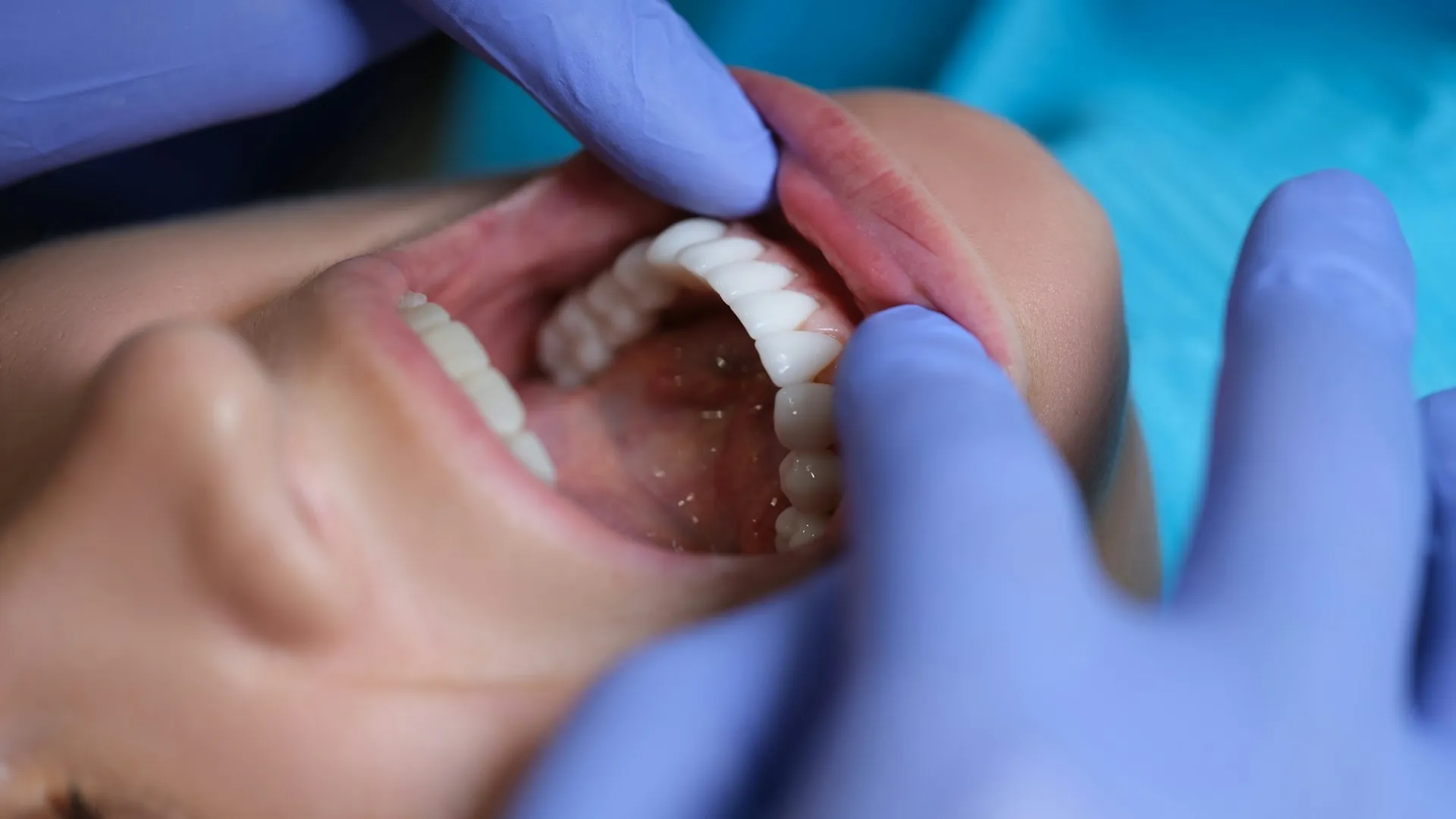
A porcelain veneers appointment shouldn’t feel like a mystery. If you’re thinking about veneers because of stains, small chips, worn edges, little gaps, uneven shape, or mild crowding, it helps to know what the visit will actually be like, start to finish.
In our East Brunswick office, we keep the process calm and patient-focused. We take time to listen, we explain choices in plain language, and we move at a pace that doesn’t make you feel rushed. Comfort matters too, so we use local anesthetic when we’re doing any tooth shaping.
Most important, every veneer plan is custom. We start with your smile goals, then we check your oral health first. Veneers can look amazing, but they work best when they’re placed on a healthy foundation.
Before we touch a tooth, we plan your new smile together
The first visit is about planning, not pressure. We want to understand what you want to change, and what you want to keep. Some people want a brighter smile but still natural. Others want to close a small gap, even out uneven edges, or fix a tooth that always photographs darker than the rest.
To plan well, we usually gather a few basics:
- Digital photos of your smile (helpful for shade, tooth shape, and how your smile fits your face)
- Digital impressions using a scanner (so no messy putty)
- X-rays if we need a closer look at the teeth, roots, or existing dental work
We also talk through timing. Veneers are often finished in a small number of visits, but the exact schedule depends on how many teeth we’re treating and whether you need any care first (like addressing a cavity or gum irritation). We’ll also be honest about what veneers can and can’t do. If another option fits your goals better, we’ll tell you.
A big part of planning is previewing the direction before anything permanent happens. With modern imaging and design tools, we can often show a virtual preview so you can react to details like length, shape, and brightness. Think of it like trying on frames before buying glasses. You shouldn’t have to guess.
What we check during your consultation
Cosmetic work lasts longer when the basics are solid. During your consultation, we focus on a few practical checks:
Gums: Healthy gums frame veneers. If gums are inflamed or bleeding, we’ll talk about cleaning and home care first, so veneers sit in a stable, healthy environment.
Cavities and old fillings: If there’s decay, veneers aren’t the first step. We’ll treat the problem tooth first so you’re not sealing in trouble.
Bite and wear: If you grind, clench, or have an uneven bite, we plan around it. Sometimes that means small adjustments, sometimes it means a night guard later.
Enamel strength: Veneers bond best to enamel. We look at how much healthy enamel you have and where the veneer margins should sit.
We also keep a conservative mindset. Our goal is to preserve natural tooth structure whenever we can, because that supports strong bonding and long-term tooth health.
How we design veneers so they look natural (not bulky or too white)
Natural veneers don’t shout “veneers.” They look like real teeth because porcelain can reflect light in a similar way to enamel. The best results come from thoughtful choices, not the whitest shade on the guide.
We’ll guide you through decisions you can actually picture:
- Shade: We match brightness to your skin tone, other teeth, and the look you prefer (from subtle to bright)
- Shape: Rounder edges can look softer, squarer edges can look bolder
- Length: Small length changes can make teeth look less worn and more even
- Spacing and symmetry: We can close small gaps and balance uneven edges without making teeth look oversized
We also consider facial features and age, because the “right” smile isn’t one-size-fits-all. A natural result usually has slight variation and depth, not a flat, single-color look.
At the preparation appointment, we keep you comfortable and stay conservative
The prep appointment is where people tend to feel nervous, mostly because they don’t know what to expect. We keep it straightforward and gentle, and we numb you as needed so you stay comfortable.
After we review the plan again, we’ll numb the area with local anesthetic. Once you’re numb, we prepare the teeth by making a small amount of space for the veneers to sit properly. For many cases, that means removing about 0.5 mm of enamel from the front surface of the tooth. That’s close to the thickness of a fingernail.
That small space matters. It helps the veneer fit without looking bulky, and it supports a strong bond. We’re also careful about preserving enamel, because enamel is the ideal surface for bonding.
When the shaping is done, we capture the final scan or impression. We’ll also confirm the veneer shade in the lighting we use for matching. Then your case goes to a trusted dental lab that follows the design we agreed on.
Some patients leave the prep visit with temporary veneers, depending on how many teeth we treated and how much change we made. Temporaries protect the prepared teeth and give you a “preview” while the final porcelain is being made.
What the tooth shaping is like, and why we remove only a thin layer
When you’re numb, you shouldn’t feel sharp pain. Most people notice pressure, a little vibration, and water spray. If anything feels too intense, we pause and adjust. We’d rather you raise your hand early than tough it out.
We remove only a thin layer because conservative prep helps in two big ways:
Better bonding: Veneers adhere best to enamel. Saving enamel supports a stronger, longer-lasting bond.
Healthier teeth: Less reduction helps maintain natural tooth strength and reduces sensitivity risks.
We also keep checking your bite and alignment as we go. Veneers should look good, but they also need to feel right when you talk and chew.
If we place temporary veneers, how we help you get through the in between stage
Temporary veneers are meant to be comfortable and presentable, but they’re not as strong as the final porcelain. They can feel slightly different at first, like a new pair of shoes.
A few simple habits help:
- Skip very sticky foods (caramels, gum) and be careful with hard bites (ice, hard candy).
- Brush gently and keep flossing, but slide floss out to the side instead of snapping it up.
- If a temporary feels loose or rough, call us. Don’t try to glue it back yourself.
Most patients settle into temporaries quickly, and the final visit is where everything comes together.
When we place the final porcelain veneers, the change is immediate
The placement visit is the day you’ve been picturing. We start by trying the veneers in and checking the details before anything is bonded.
We look at:
- Color match and brightness
- Fit at the gumline
- Contact points between teeth
- Bite and comfort when you close and move your jaw
- Overall smile balance (how the teeth look together, not just one at a time)
If something needs a tweak, we address it. We also want your input. You’ll be the one living with this smile, so your opinion matters.
Once we approve the look and fit, we bond the veneers. In simple terms, bonding includes cleaning the teeth, preparing the surface so it holds, placing the bonding material, setting it with a curing light, then refining the edges and bite.
Right away, patients often notice:
- A brighter smile that still looks natural
- Smoother, more even edges
- Better symmetry in photos
Porcelain also has practical advantages. The surface is glazed and less likely to absorb stains than natural enamel, and with good care, veneers often last 10 to 15 years or longer.
The final checks we do before you leave
Before you walk out, we slow down and confirm the essentials:
Bite comfort: We make sure your teeth come together naturally.
Flossing check: You should be able to floss between veneers without shredding or getting stuck.
Speaking test: We’ll have you talk a bit to confirm your tongue feels comfortable.
Lighting check: We look at your smile in more than one light, because bathrooms, offices, and daylight all hit teeth differently.
If you want a small adjustment, we’d rather do it then, not after you’ve been thinking about it for a week.
How we help your veneers last, plus common questions we hear
Veneers are strong, but they aren’t indestructible. Think of them like a protective shell on the front of your tooth. Great for normal chewing, not meant for opening packaging or crunching ice.
Daily care keeps both the veneers and the gums around them healthy. Even though porcelain resists stains well, plaque can still build up at the edges, and gums can still get inflamed if hygiene slips. Regular exams and cleanings matter because we can catch small problems early, before they turn into bigger repairs.
Cost is another common concern. Veneers are usually considered cosmetic, so insurance often doesn’t contribute. In our East Brunswick practice, we talk through fees upfront and review payment options. Many patients choose monthly payments through financing such as Sunbit, and we also accept major credit cards.
Everyday care rules that protect your investment
Here’s the checklist we share most often:
- Brush twice a day with a soft-bristled brush.
- Floss daily, focusing on the gumline where plaque likes to hide.
- Keep regular exams and cleanings so we can monitor the margins and your bite.
- Don’t use teeth as tools (packages, pens, fingernails).
- Be cautious with very hard foods, and don’t chew ice.
- If you grind or clench, ask us about a night guard to protect your veneers.
Porcelain veneers FAQ (with answers)
1) How long does a porcelain veneers appointment take?
It depends on the visit. Consultations are often shorter, prep and placement visits can take longer, especially if we’re treating several teeth.
2) Do veneers hurt, and will we numb you?
We keep you comfortable with local anesthetic for the prep work. You may feel pressure or vibration, but you shouldn’t feel sharp pain.
3) How much enamel do we remove for veneers?
In many cases, we remove about 0.5 mm from the front of the tooth, close to fingernail thickness, so the veneer fits well and bonds strongly.
4) How long do porcelain veneers last?
With good home care and regular dental visits, porcelain veneers often last 10 to 15 years or more.
5) Can veneers stain from coffee or wine?
Porcelain is more stain-resistant than natural enamel because it has a smooth, glazed surface. Good brushing and cleanings still matter for the edges and gums.
6) What if we have a cavity or gum problem, can we still get veneers?
Often yes, but we usually treat cavities or gum disease first. A healthy foundation helps veneers last longer and feel better.
Conclusion
Porcelain veneers usually follow three clear stages: we plan your smile with photos, scans, and a real conversation, we prepare teeth in a conservative way with local anesthetic for comfort, then we place the final veneers and fine-tune the bite and edges until everything feels natural.
When veneers are done with a careful plan and a light touch, they can look bright, balanced, and still like you. If you’re considering porcelain veneers in East Brunswick, we can talk through your goals and confirm whether veneers are the right fit for your teeth and your health. To get started, schedule a consultation with our team. We’re family-friendly, we welcome a diverse community, and we’re happy to help in English or Arabic.
Can Save Your Tooth
An infected root canal isn't something you can just ignore. You will need an endodontic procedure to remove the infection and reseal your root canals.
While a dental crown is often needed to protect the tooth after treatment, if you see us early enough you might only need a filling to protect your tooth. A timely appointment can also prevent your infection from advancing, which can lead to more extensive damage — or even the need for a dental extraction.
Our dentists' goal will always be to protect and preserve your tooth. Let us help, starting with a consultation.

New Brunswick Patients


During Root Canal Treatment?
You don't need to find an East Brunswick endodontist to treat your infected root canal, because Trinity Dental Services proudly offers root canal therapy among our comprehensive dental services.
1. Consultation
First, our dentists will take X-rays of your smile and assess your tooth. They will only plan a procedure if it's truly necesary.
First, our dentists will take X-rays of your smile and assess your tooth. They will only plan a procedure if it's truly necesary.
2. Local Anesthetic
When it comes time for your dental procedure, our dentist will apply local anesthetic to thoroughly numb the treatment site and keep you fully comfortable.
3. Tooth Treatment
Our dentist will make an opening in your enamel. Then, she will clean your tooth roots, removing your infected blood vessels and pulp.
4. Final Touches
Once the bacteria and affected pulp is gone, she will seal your tooth roots. She will also fortify your tooth with a filling or crown.
East Brunswick Office
63 W Prospect St #1
East Brunswick, NJ 08816
Our Office Hours
Mon. 10:00am - 7:00pm
Tue. 10:00am - 7:00pm
Wed. 10:00am - 7:00pm
Thu. 10:00am - 7:00pm
Fri. 10:00am - 7:00pm
Sat. 10:00am - 5:00pm
Sun. Closed